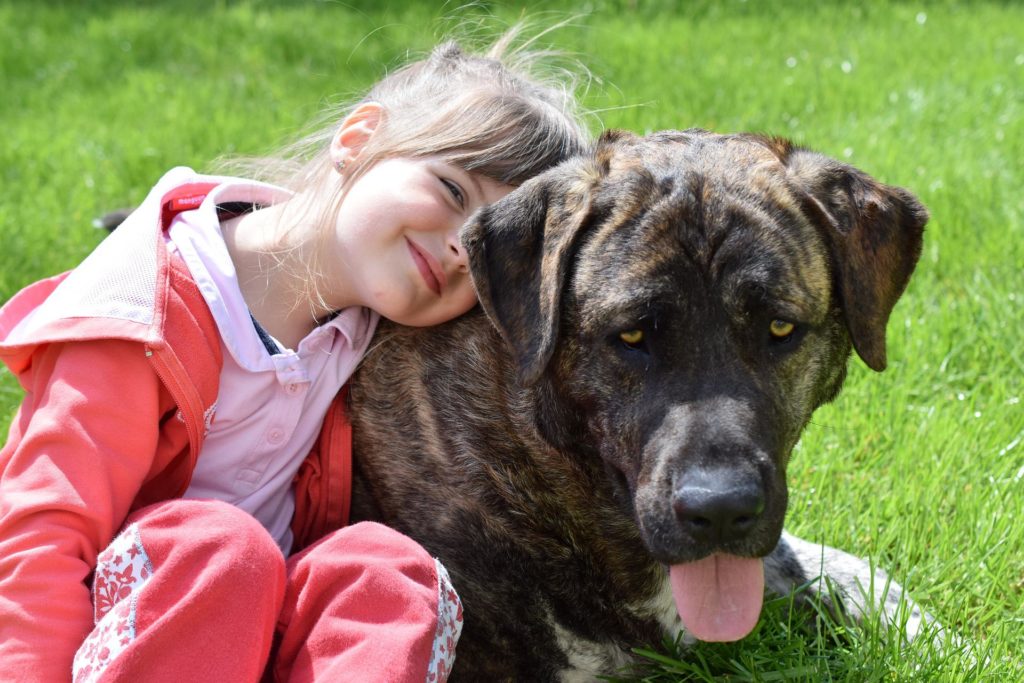
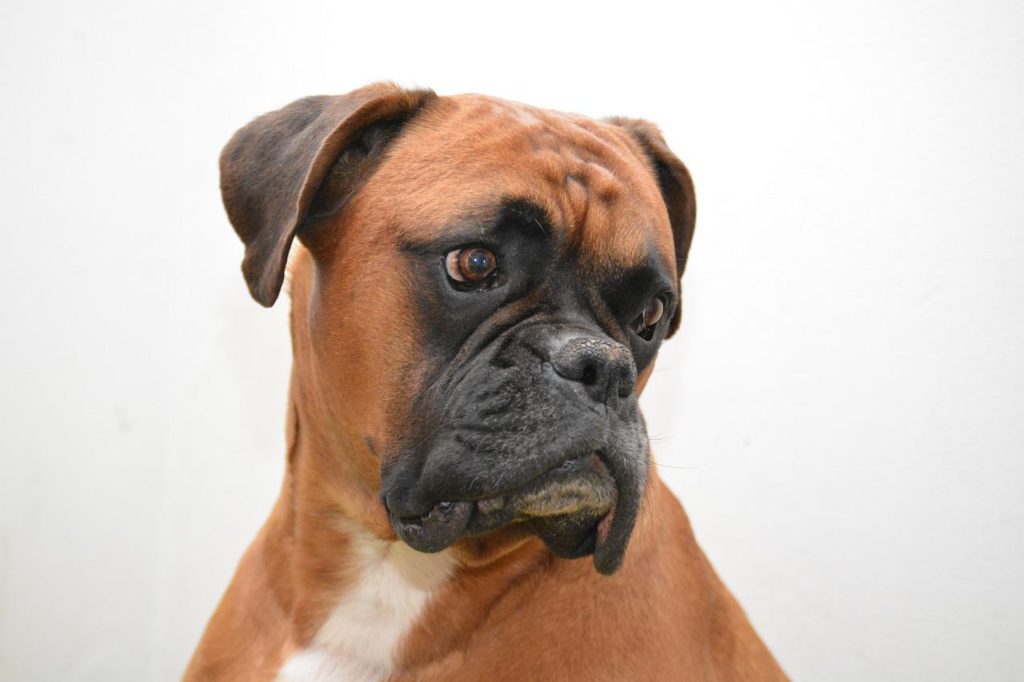
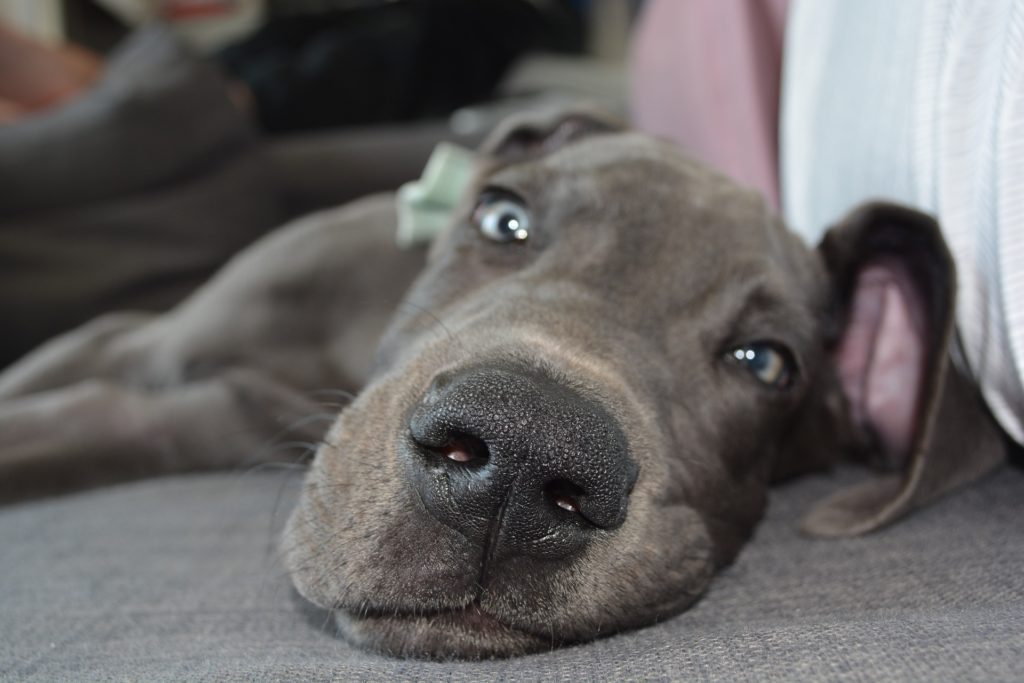
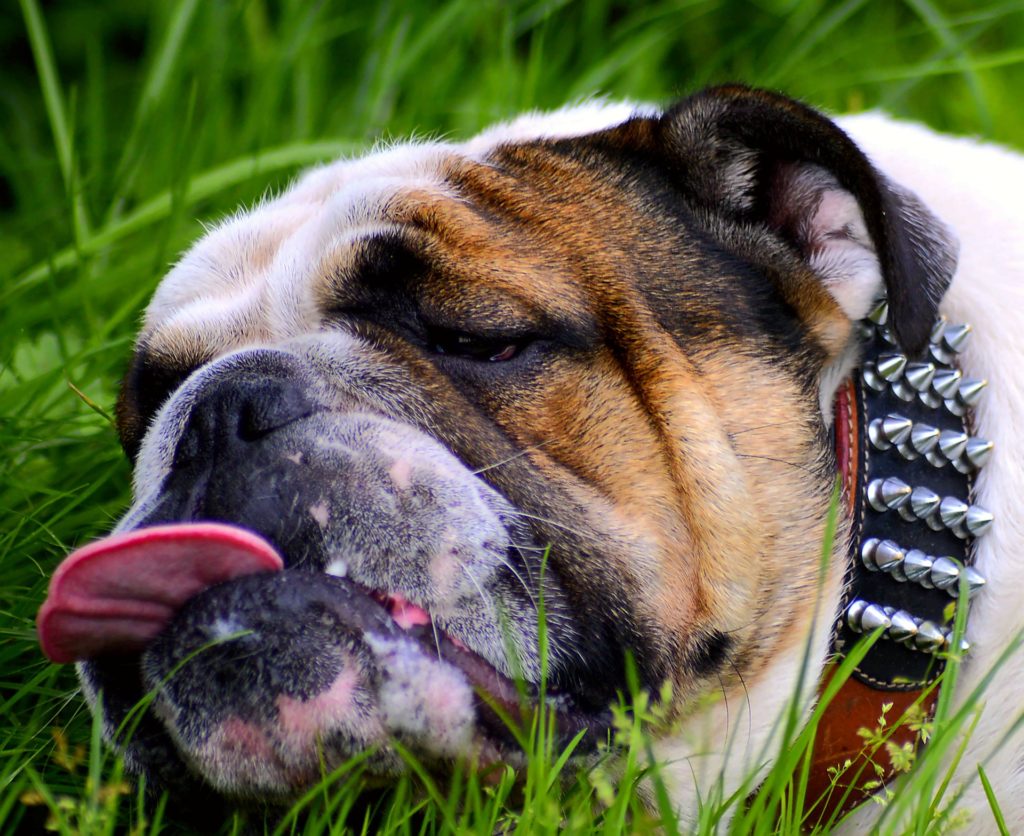
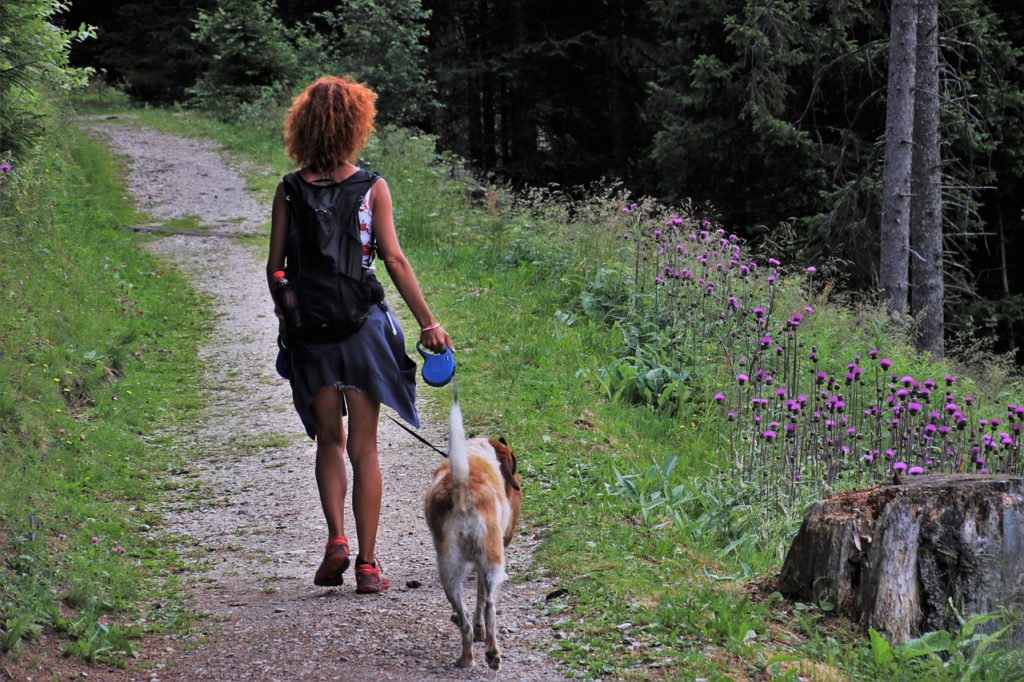
You’ve probably heard the adage that every kid needs a dog. Whether that’s true may be a debate, but there are some general reasons kids benefit from being raised with a dog in the family. Dogs may even improve a child’s mental and physical development.
Why Your Kid Needs a Dog…
Builds Confidence & Stability – Taking care of a pet gives children a sense of a job well-done which builds self-esteem and self-confidence. The daily and weekly routine of caring for a pet provide stability kids need to feel secure and confident.
Dogs Don’t Judge – The fact a dog’s love is unconditional is reason enough your kid needs a dog. Dogs aren’t seen as disciplinarians as well the way parents are. Dogs never ask if the bed is made or if homework is done. Dogs never have to hand out punishments. Dogs are lucky that way.
Less Stress – It’s been proven that petting a dog can relieve stress by lowering cortisol levels in people. Dogs are often used as therapy animals to relieve stress and perform other calming functions. Your kid needs a dog to ward off stress and relieve tension.
Promote Healthier Lifestyle – Dogs and an active lifestyle just seem to fit. Dogs help keep our kids active and active kids are healthy kids, both mentally and physically. Dogs tend to get kids outside and on their feet.
Teach Responsibility – Children at any age can take on the responsibility taking care of the family dog, whether it’s placing the water dish down or picking up poop. There’s a way to pitch in no matter the age of the child. It’s good to get children started early. This caring for another also teaches selflessness and helps build cognitive skills.
Feel Secure & Protected – Dogs offer a sense of security. Whether it’s as a protector or a therapy animal, dogs comfort us. They are our guardians and our constant companions. They listen to our troubles and our successes. Dogs are always there.
Should the reasons above not persuade you your kid needs a dog, then consider how friendly, furry, and cute they are. Perhaps you will be swayed. Do your research when choosing a family dog and make sure it’s the right fit for you. Children benefit from a pooch in their lives in so many ways.
Some dogs are better hot weather dogs than others. While dogs are quite adaptable to different situations and locations, some breeds are better suited to certain climates than others naturally. Many of these breeds originated in warm climates and have short coats of fur or are light colored from generations of breeding and adaption to their environment.
While every dog will not possess every trait of typical hot weather dogs. Each dog that does well in hot weather will possess at least some of the below characteristics.
Common Characteristics of Hot Weather Dogs
Short Coat or No Hair and a Single Coat of Fur – Obviously, less fur or hair keeps the dog cooler. Some dogs will have a double coat of fur to insulate them against the cold or keep water away from their skin. Our hot weather dogs typically have just one coat of fur, if that. There are some warm weather dogs that are hairless.
Long, Slender Build – Many dogs ready for the heat are thin and tall and this allows them to cool down more efficiently. The more skin you have in relation to your body weight, the more rapidly you can cool off. It’s a skin-to-body-weight ratio thing.
Long Snout and Large Stand-Up Ears – A longer nose is able to process the hot air coming in from the environment faster and cool it down before it hits the lungs. Dogs with short snouts, or brachycephalic, like Pugs and French Bulldogs are not cut out for hot weather. Many hot weather dogs’ ears stand erect as they cool down faster than droopy ears.
Small Body Size – Just as large, thin dogs have an adequate amount of skin to cool off the size of their bodies, so do small dogs. Small dogs weigh so little that they are also well suited to warm climates.
Warm-Weather Roots – Many dogs simply originated in a region with a warm climate. Breeds that were developed in hot temperatures usually will have traits specific to that climate and better suited to warm weather naturally.
Light Fur Color – Dogs that do well in hot weather will typically have lighter colored fur or hair. These canines are white, tan, gray or some color combination thereof.
7 Hot Weather Dogs Perfect for Hot Climates
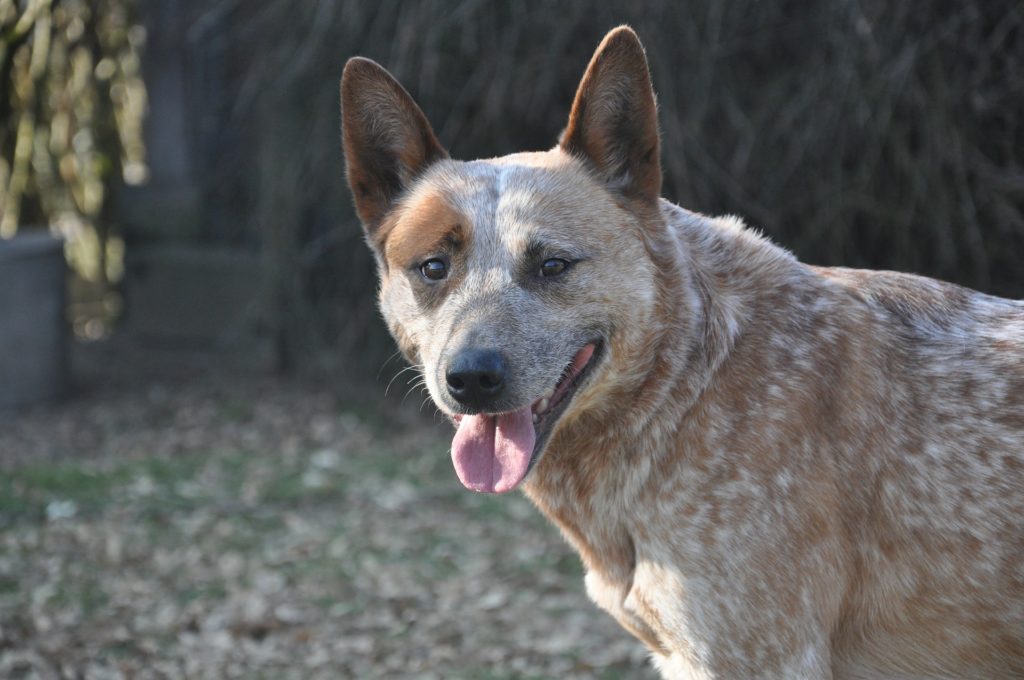
Australian Cattle Dog Stats – AKC Ranking: 51st Most Popular Dog in 2021. AKC Group: Herding. Height: 17-20 inches. Weight: 35-50 pounds.
ACDs, as they are affectionately referred to, are hardworking cattle herders from the Australian Outback. They have a short double coat of fur that keeps them cool enough during the high daytime temperatures but also insulated against the harsh temperature swing at night in the desert. The weather doesn’t bother them. They love to work no matter the temperature. It’s play to them.
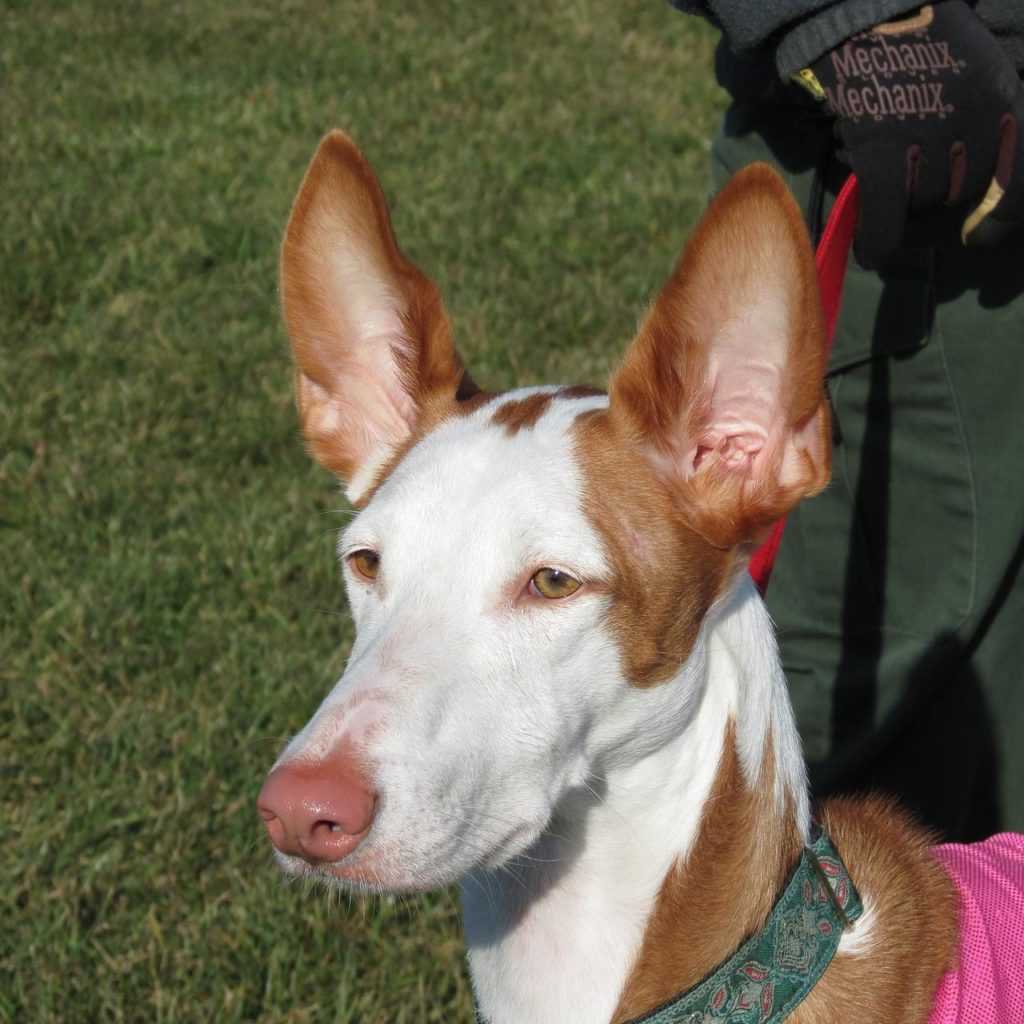
Ibizan Hound Stats – AKC Ranking: 182nd Most Popular Dog in 2021. AKC Group: Hound. Height: 22-28 inches. Weight: 45-50 pounds.
This sighthound comes from the Balearic Islands off the coast of Spain and descended from an Egyptian hound. They were bred to sprint after prey in the hot sun. They are quite graceful while they run and can leap very high. This breed comes in solid red, solid white or white and red patterns. They are known to be rather stubborn, yet extremely enjoyable and lively.
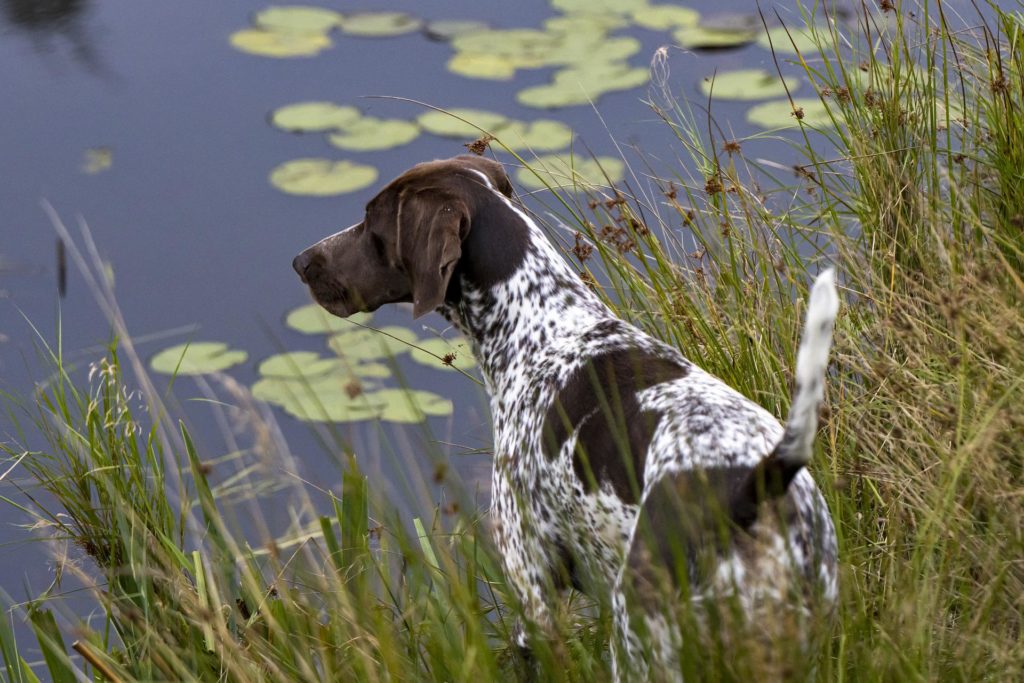
German Shorthaired Pointer Stats – AKC Ranking: 9th Most Popular Dog in 2021. AKC Group: Sporting. Height: 23-25 inches. Weight: 45-70 pounds dependent on sex.
Shorthairs, as they are appropriately named, have short fur with no undercoat. They are an eager gundog that loves exercise and staying busy. They were bred to go out with hunters on foot, but there is no limit to what they are good at. They not only point, but hunt and track also on both land and water. They love the water. Their short thin coat usually comes in solid liver (a reddish brown) or liver and white in patterns and speckles.
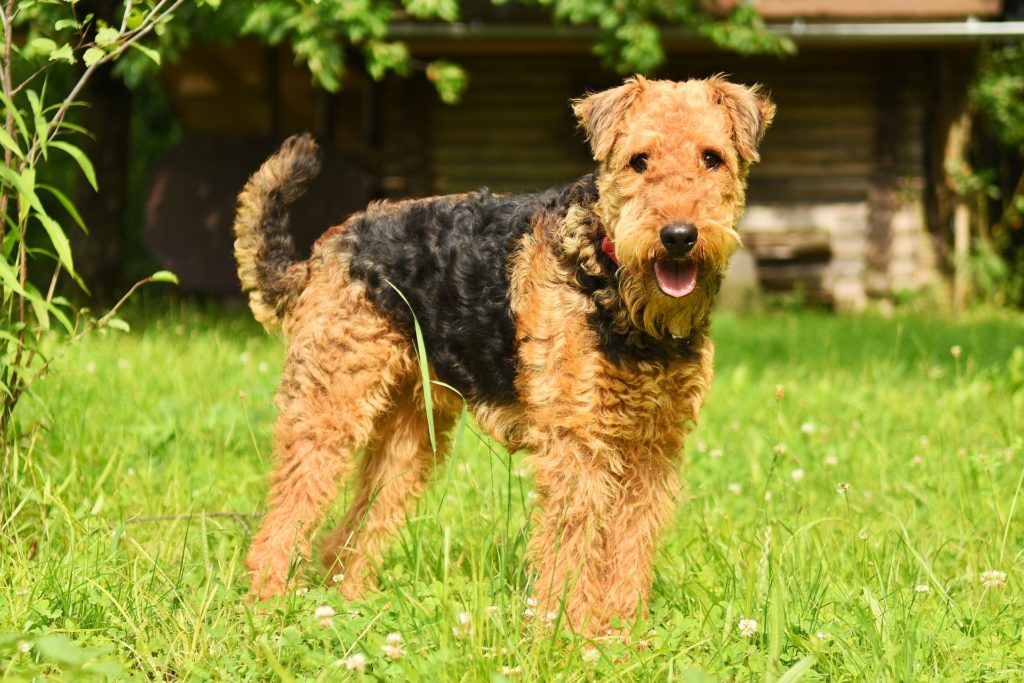
Airedale Terrier Stats – AKC Ranking: 62nd Most Popular Dog in 2021. AKC Group: Terrier. Height: 22-24 inches. Weight: 40-65 pounds.
The Airedale originated in England and is the largest of the terrier breeds standing almost two feet at the shoulders. This breed tolerates the warm weather quite well. Their coat looks wooly, but it is short and wiry which allows the heat to escape. It is best to keep them shaved down in the hotter months. Unlike most hot weather dogs, they have a double coat. They were bred to hunt on land and water and enjoy cooling off with a splash on a hot day. Airedales heads and ears are tan in color and the body is a mix of tan and black.
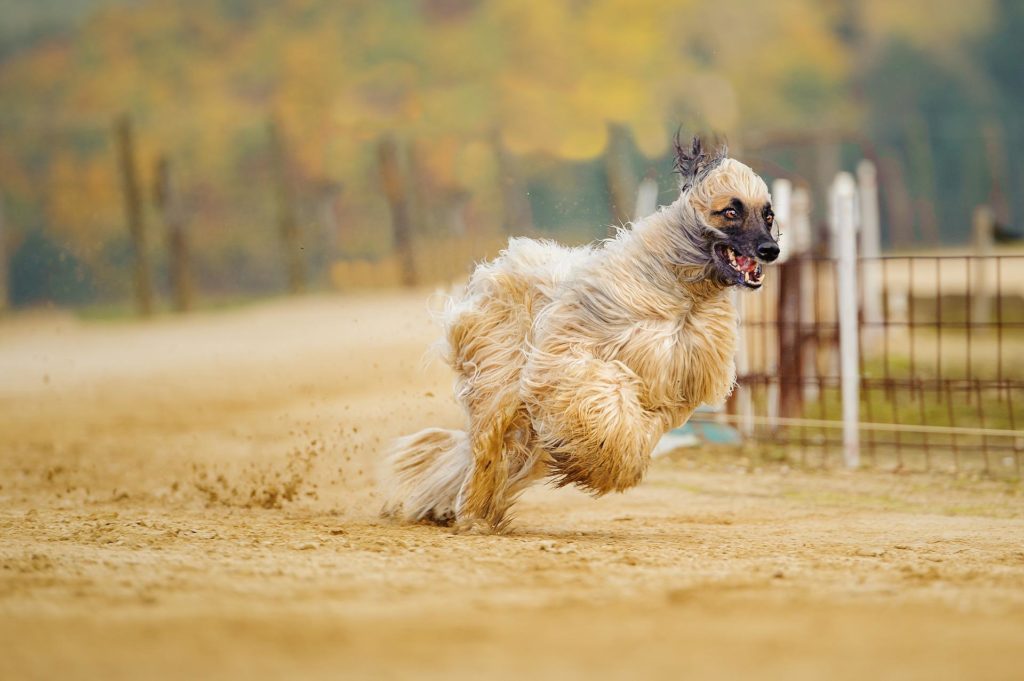
Afghan Hound Stats – AKC Ranking: 114th Most Popular Dog in 2021. AKC Group: Hound. Height: 25-27 inches. Weight: 50-60 pounds.
The Afghan Hound is one of the hot weather dogs that does well in both extremes of temperature. It is hot by day and there are cold temperatures at night in the harsh mountainous, desert environment of Afghanistan. This breed does well in a hot climate because its long locks are a single coat. They do require weekly grooming to ensure they don’t get knots and tangles in their coat. Their coat is long, thick, and fine and protects them from the relentless rays of the sun. These sighthounds have been known to run 40 miles per hour.
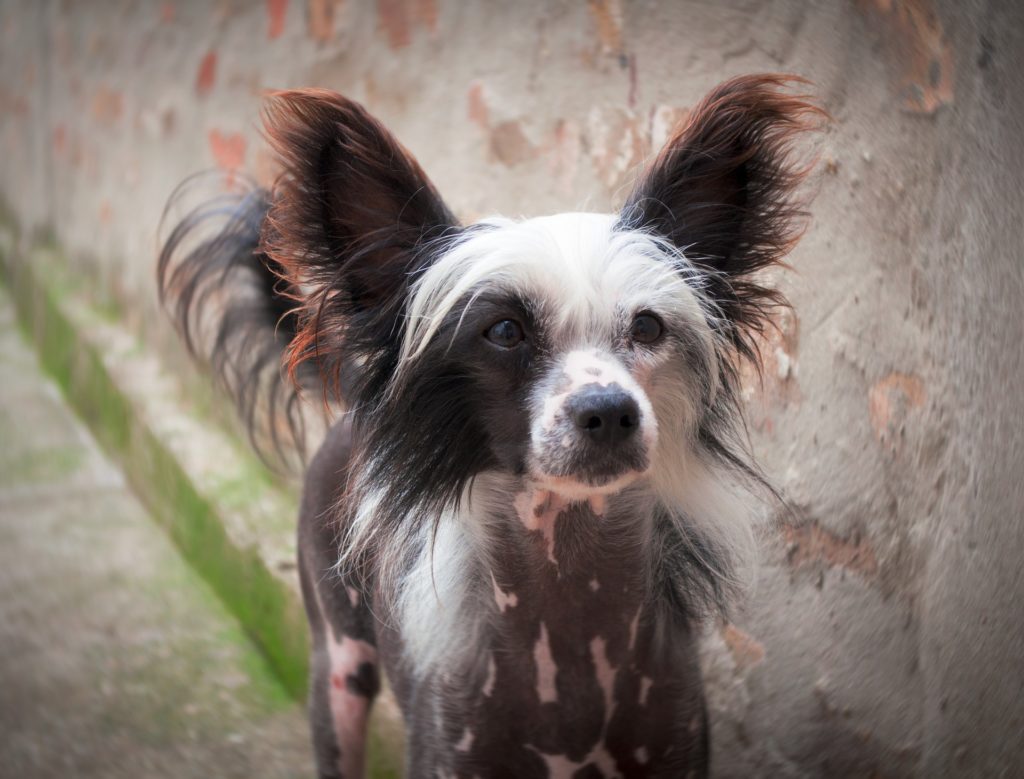
Chinese Crested Stats – AKC Ranking: 77th Most Popular Dog in 2021. AKC Group: Toy. Height: 11-13 inches. Weight: 8-12 pounds.
The Crested is an ancient breed that originated in Asia and most likely descended from hairless dogs brought over from Africa. The most well-known variety is hairless. These affectionate dogs have soft, silky hair on their heads, feet, and tips of the tail only. Like any hairless, or sparsely haired dogs, their pink and gray skin can sunburn easily, and precautions should be taken. There is a coated variety as well.
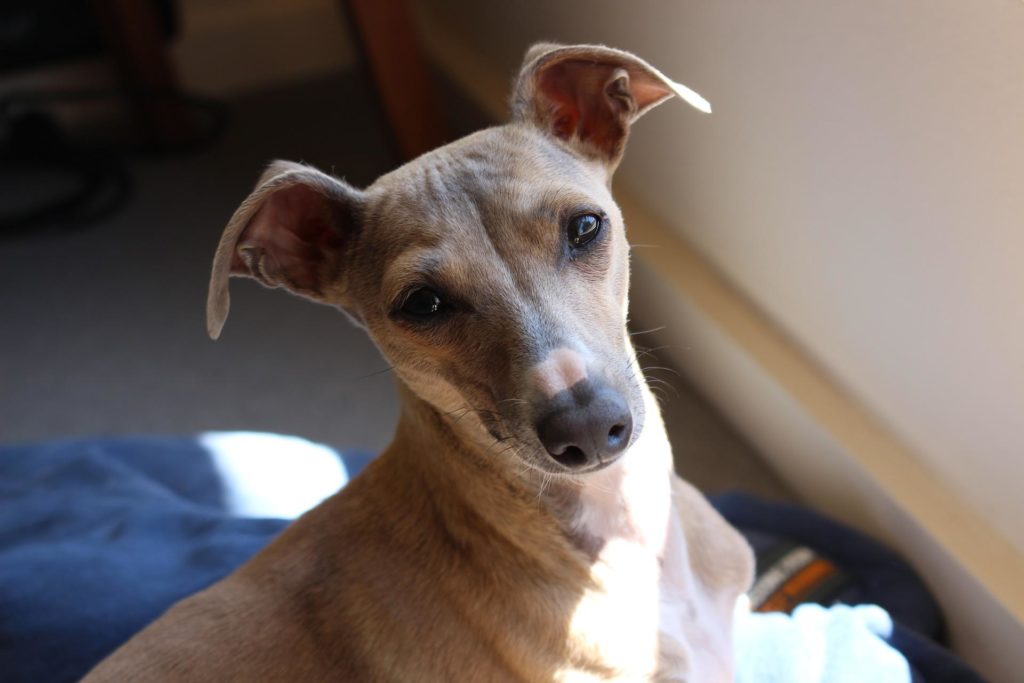
Italian Greyhound Stats – AKC Ranking: 73rd Most Popular Dog in 2021. AKC Group: Toy. Height: 13-15 inches. Weight: 7-14 pounds.
This diminutive sighthound has a thin frame and a short, single coat making the Italian Greyhound ideal for warm weather. They have very little body fat, so a coat or jacket is necessary in colder climates. A sunny hot climate makes them more comfortable. These hot weather dog’s origins date back 2000 years in the Mediterranean. Since then, they have been quite popular with royals including James I, Catherine the Great, Anne of Denmark, Frederick the Great of Prussia, and Queen Victoria.
Hot weather dogs are quite different from each other despite having some characteristics in common. Each of these breeds does well in hot weather due to place of origin, coat type, body size, coat color, stamina, or some combination of those characteristics. These dogs are also all different in stature, ranging from an 11-inch Chinese Crested to a 28-inch Ibizan Hound and would require different size dog doors.
PlexiDor Dog Doors has saloon style dog doors for doors, walls, and glass doors in two color choices. Our doors come in sizes small, medium, large and extra-large for pets up to 220 pounds. Contact our Customer Service department for questions or call 888-PET-DOOR today.
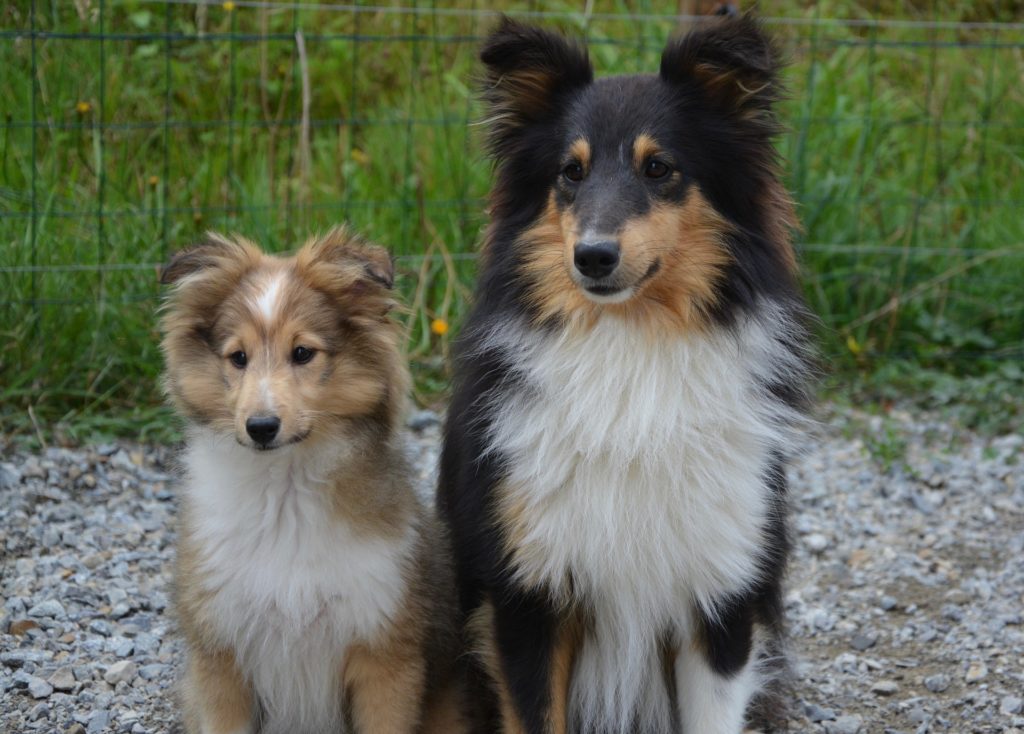
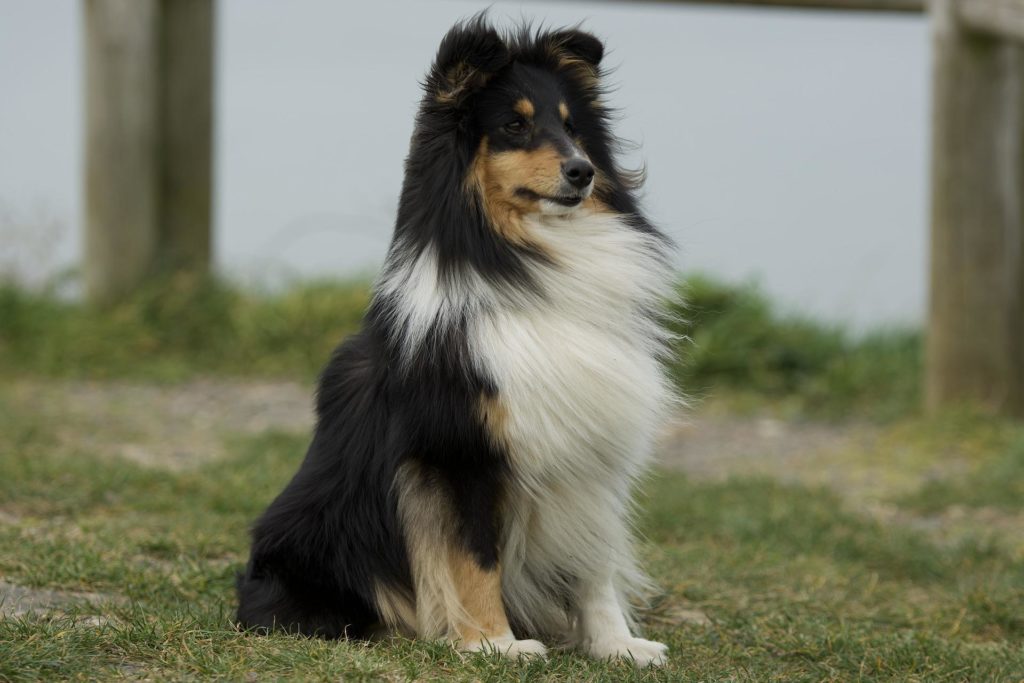
The Shetland Sheepdog is a small herding dog originally from the Shetland Islands off the northern coast of Scotland. The Sheltie, as this dog is known, is a great all-around family dog. They are loyal and bright, easy to train, and a whiz at obedience events. This breed is also a true companion. They prefer to be with their people when possible.
Shelties look like a smaller version of the rough-coat Collie. It is thought the isolation of the Shetland Islands caused food scarcity and animals of diminutive size like the sheepdog, Shetland ponies, and Shetland sheep. Shelties were bred smaller due to the severe, cold climate of the Shetland Islands. Smaller dogs required less food. It is not known when Collies were initially brought to the islands.
Originally, this breed was used in two capacities. They were needed to stand guard against birds and sheep eating the farmer’s garden. They make excellent watchdogs. They like to bark and are wary of strangers.
However, they were primarily used as herding dogs of sheep, ponies, and poultry. They have a strong herding instinct and will try to herd just about anything when given the opportunity, including children. Train them not to continue this habit. It can lead to biting. It is a good idea to discourage your Sheltie from herding unless they are participating in a herding class.
Shetland Sheepdog Stats
The Shetland Sheepdog stands 13 to 16 inches tall and weighs 15 to 25 pounds. They will live an average of twelve to fourteen years. The Sheltie has a long, sleek triangular face and three-quarter upright ears. The top fourth of their ear folds over. The breed was first recognized by the American Kennel Club in 1911.
Shetland Sheepdogs possess a long, dense double coat of fur that sheds quite a bit. It is a surprise to many Sheltie owners exactly how much loose fur is lying around. This breed requires daily brushings and additional brushings will be necessary will help during shedding season. They are susceptible to matting behind the ears, under the elbows on their front legs, and on their hind quarters under the tail. The Shetland Sheepdog needs only an occasional bath. All dogs should have their nails trimmed regularly.
The Shetland Sheepdog is sensitive and doesn’t like to be alone for too long. They be alone while everyone is at work and school but need companionship and play when you get home. They enjoy human companionship and long to be with you. It is important to keep this breed mentally and physically stimulated with work, training, and exercise.
Shetland Sheepdogs require a moderate amount of exercise but do adapt well to their family’s lifestyle as long as owners provide adequate activity. They need both mental and physical stimulation. They are proficient at and get a kick out of canine events like agility, obedience, herding and tracking. They are dog sport over-achievers. They also excel as therapy dogs.
Early socialization and puppy training classes are always recommended, as with every breed. When taught basic obedience, the Sheltie will be a rockstar companion and rock canine events as they are easy to train, smart, and eager to please. They are vocal dogs so they should be taught to stop barking on command. They also like to chase moving objects so fenced yards and leashes are a necessity.
The Shetland Sheepdog would need a medium Plexidor Dog Door. The PlexiDor Dog Door is available for doors, walls, glass doors, and sliding glass doors. There is both an electronic and a standard model in white and bronze. PlexiDor has a 90 day money back guarantee and at least a 5 year warranty on all our doors. Contact our Customer Service Department with any questions.
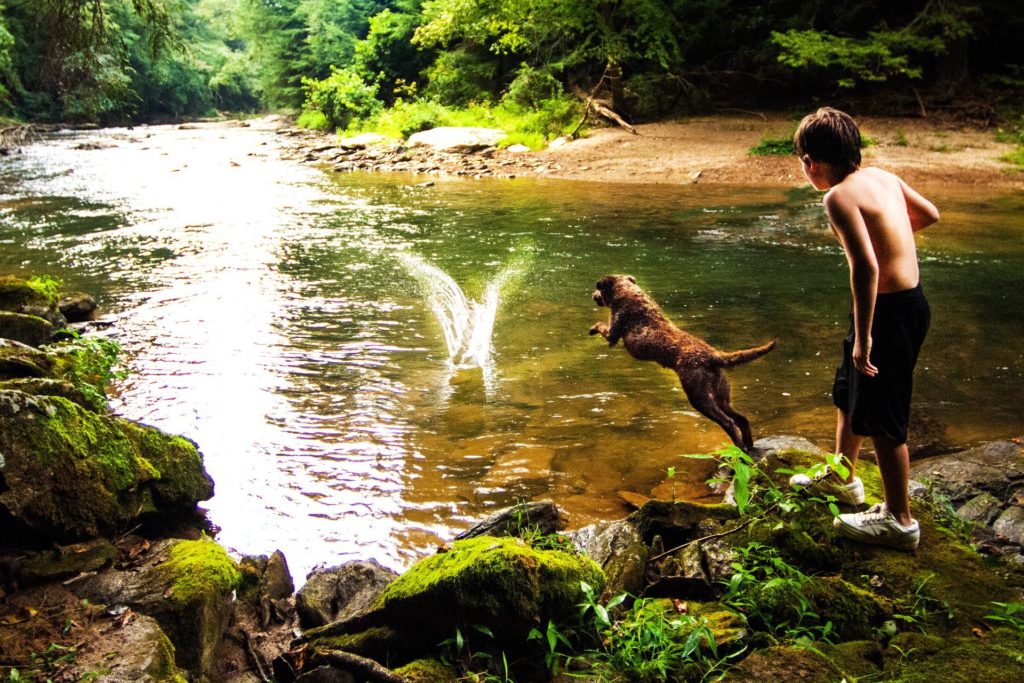
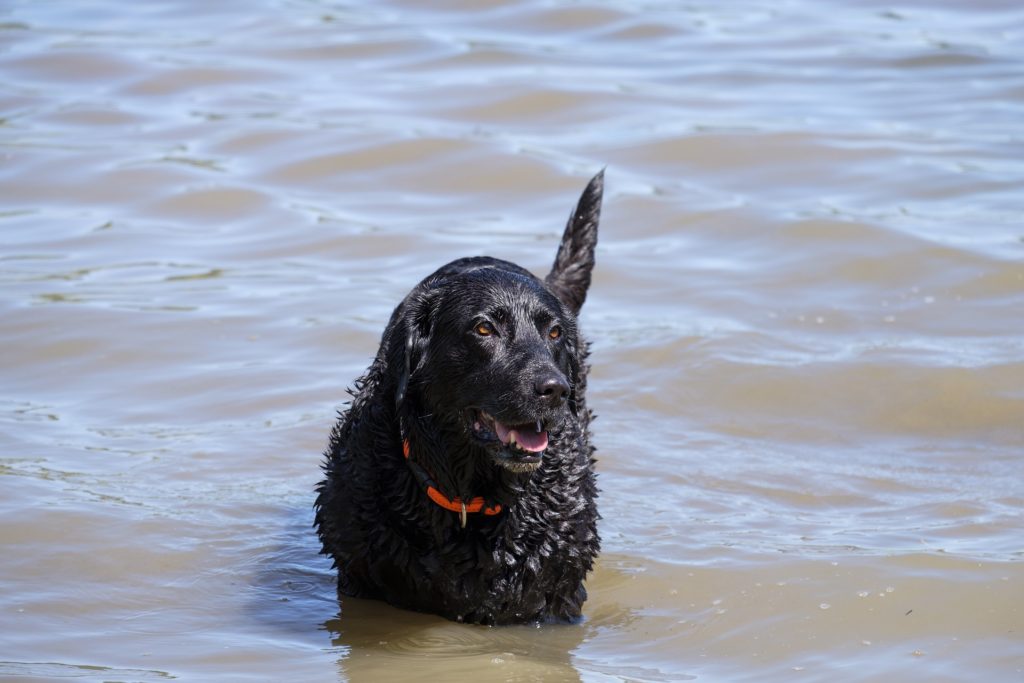
Not all dogs enjoy the water equally. Some breeds would much rather stay dry than so much as get a paw wet. However, some dogs are water dogs. They live for the water no matter if it’s lake, stream, pool, or beach. They love to splash, and they were bred to retrieve waterfowl and other game in the water.
Dogs that love the water had this enjoyment bred into them along with their eagerness to work in the water. All these dogs possess coats well suited to keep them warm in the chilly water and many have webbed toes to help with swimming.
While bred to work in the water not all dogs are still known for this trait. Over the years, the Poodle has become more of a companion or a show dog than a working water dog. All of these dogs, however, still enjoy a good romp in the water.
It should be mentioned that just because a breed is considered a “water dog” does not mean it should be assumed a dog of that breed can swim. Each dog should be gotten accustomed to the water in their own time and coached or coaxed into swimming on the timeframe. Some dogs will take to the water right away and others may not at all.
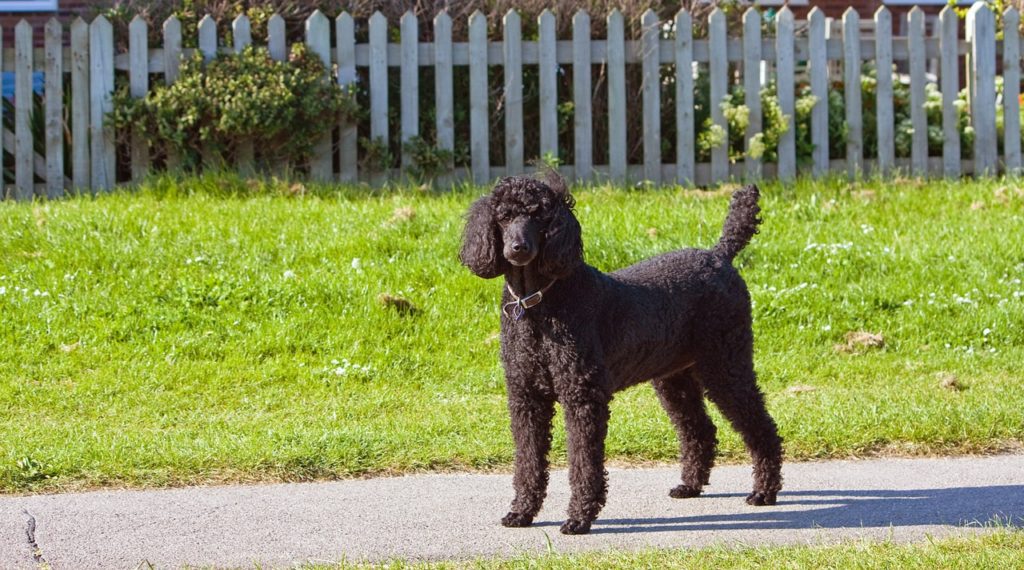
Poodles of all sizes, not just Standard, rank number five on the Most Popular Dog Breed List by the American Kennel Club. A Poodle over 15 inches tall at the shoulder is considered a Standard size. This size dog will weigh between 40-70 pounds depending on sex. Poodles are very affectionate towards their families and good with small children as are many water dogs.
A Poodle’s curly hair keeps it warm in the water, but most Poodle owners opt to keep their hair shorn close as it mats when not kept short. The Standard Poodle is the national dog of France although it originated in Germany as a duck hunter. The pompon cut it is famous for was originally done as a practical way to keep the dogs leg joints, hips, and chest protected from the cold waters.
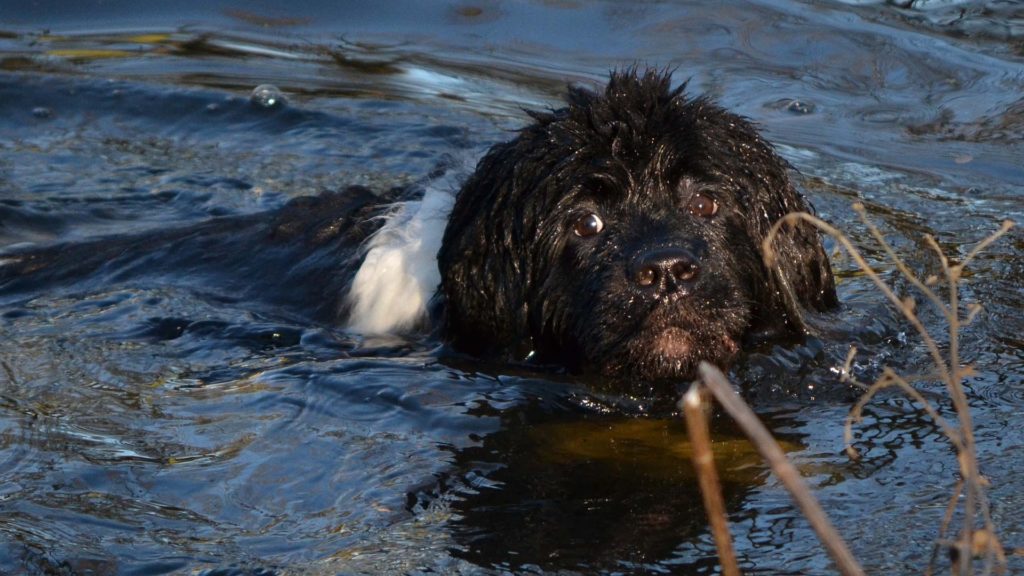
Newfoundlands come in at number 45 on the AKC’s Most Popular list. These are large dogs standing 26-28 inches and weighing 100-150 pounds. They are sweet, affectionate dogs that get along with everybody, yet vigilant watchdogs.
In the past, a Newfoundland’s dense thick coat kept it warm on water rescues and hauling fishing nets to shore in the North Atlantic. These dogs were used on board ships by Canadian fisherman. They have partially webbed toes and are excellent swimmers. Today they are still employed all over the world as water rescue dogs.
The Chesapeake Bay Retriever comes in at number 48 on the AKC’s Most Popular Dog Breed list. Chessies stand 21-26 inches at the withers and weigh 55-80 pounds. They are most often thought of as hunting dogs for waterfowl, but they are known as search and rescue and bomb and drug detection animals as well.
Chessies were bred for a specific job in a specific location. They are native to the Chesapeake Bay area between Maryland and Virginia. This dog’s thick, curly, double coat of chocolate brown fur is oily and waterproof. Their feet are webbed to aid with swimming. They are the perfect duck dogs for this shallow American estuary.
Labrador Retrievers are the Most Popular Dog Breed in America and have held that spot for the last 31 years, since 1991. Labs are 21-25 inches tall and weigh from 55 to 80 pounds depending on sex. Labs are excellent family dogs. Protective and nurturing, they are good with all children and other animals alike. Their overwhelmingly good-natured disposition is what sets them apart from all other dogs.
Labrador Retrievers are the original water dogs of Newfoundland. At that time, they were used both as a duck retriever and a boat dog. English nobles brought them back to England in the early 1800s and refined them into what we know today as the “Labrador.” Their short, thick coat is water-resistant and keeps them warm and free from ice build-up in chilly waters.
The Nova Scotia Duck Tolling Retriever is the water dog who ranks 92nd on the AKC’s Most Popular Breeds List and is the smallest of the retrievers. The Toller stands 17-21 inches high and weighs only 35-50 pounds. These dogs are excellent family companions and great with children of all ages and other family pets. They have boundless energy and will require a good outlet to stay mentally and physically stimulated.
The Duck Tolling Retriever has an unusual skill for hunting. They play along the shoreline, splashing in the shallows, much like a fox would. This lures the waterfowl down to see what is going on and down into shotgun range. Then the Toller retrieves the fallen game aided by their webbed toes. This style earned them the name “Decoy Dog.”
Water dogs are a hard-working bunch. They collect waterfowl, work on boats, and act as decoys. The above five dogs are just a few of the breeds representing the water dog.
Other Water Dogs That Love the Water
Portuguese Water Dog
Boykin Spaniel
English Setter
Irish Water Spaniel
Barbet
Lagotto Romagnolo
Curly Coated Retriever
Spanish Water Dog
Irish Setter
Golden Retriever
American Water Spaniel
Flat Coated Retriever
Otterhound
Schipperke
Find out more about water dogs in another upcoming installment…
French dog breeds come in all different coats and colors, shapes and sizes. Many are named for the geographic area they are from like the Briard and the Brittany. There is not one common element running throughout all the French dog breeds, and there are no two alike. Let’s take a look at five breeds ranging in size from five pounds to over 110 pounds.
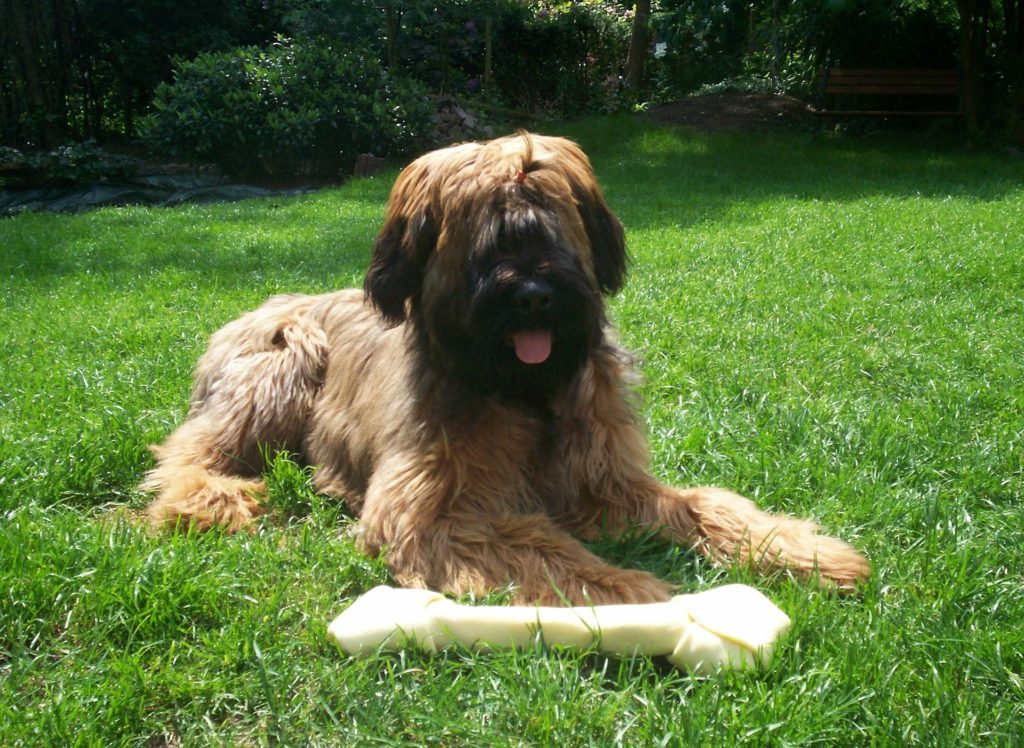
The Briard is an old breed of working dog from the dairy producing region of Brie in Northern France. These pooches pull double duty of not only herding the sheep, but also guarding them from predators. They got their start in the United States when Thomas Jefferson ended his position as ambassador to France and brought home a pregnant Briard.
The Briard is a large dog standing 22-27 inches at the shoulder and weighing between 55-100 pounds. They are smart and learn quickly, protective of their families and wary of strangers They have seemingly boundless energy.
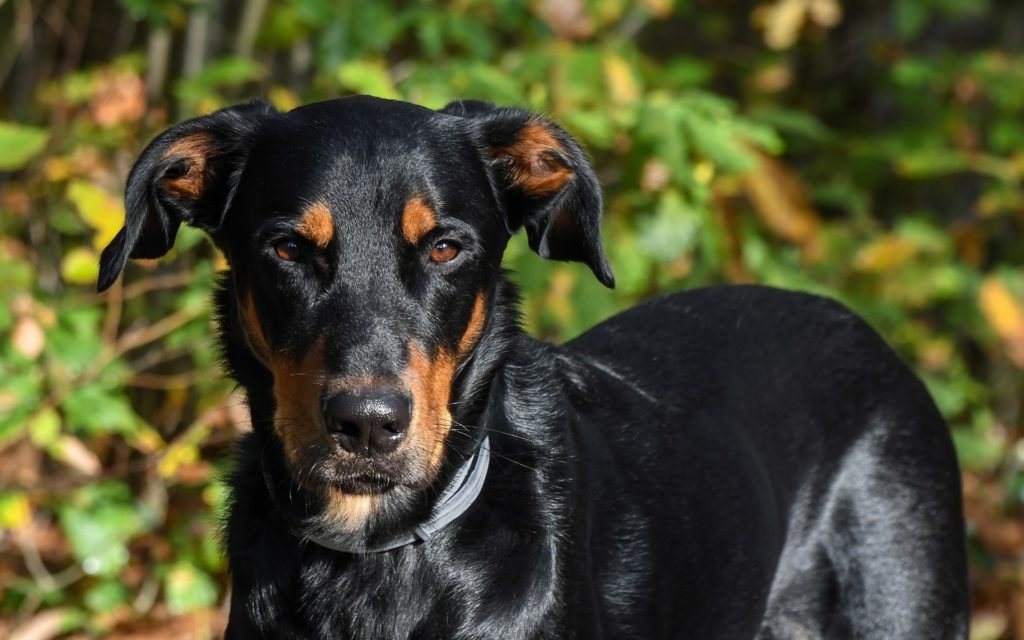
The Beauceron is also one of the French dog breeds that can protect the herd and round them up too. They possess this duality of purpose. These dogs were named for their region of origin southwest of Paris. They developed in the late Middle Ages and are sometimes referred to as Bas Rouge for their red feet.
The Beauceron stands 24-28 inches tall and weighs 70-110 pounds. This is a dominant dog and not meant for the first-time dog owner. Well-trained and socialized Beaucerons are faithful, amiable, and obedient companions.
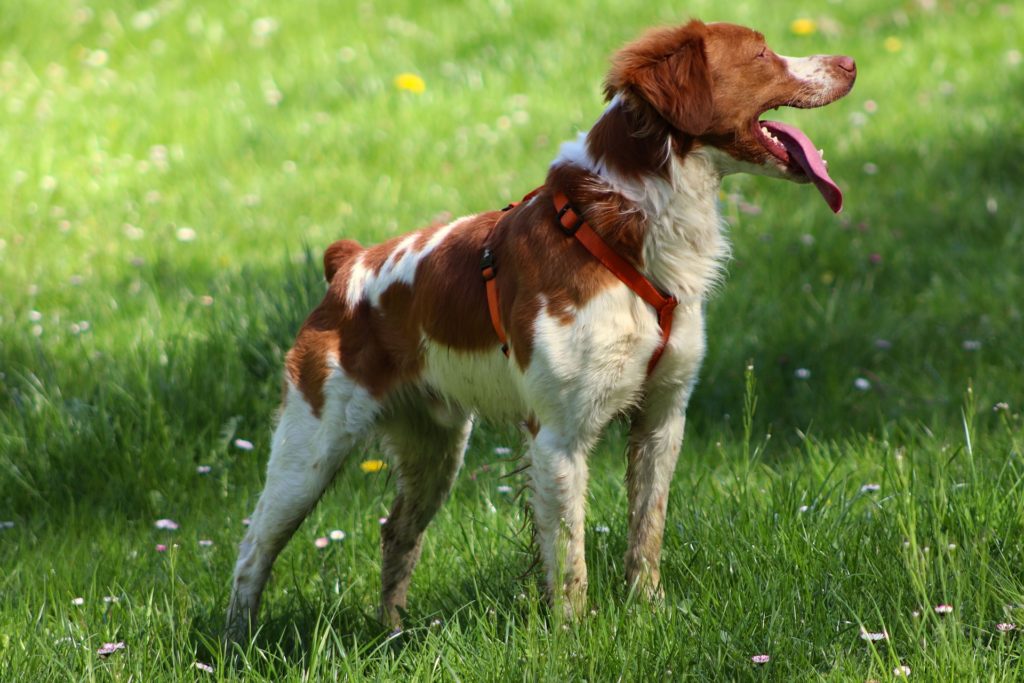
The Brittany is a tireless and eager gundog requiring lots of exercise. These dogs come from the Western region of France with the Bay of Biscay on the South and the English Channel to the North for which they are named. Of all the French dog breeds, they are the most versatile birddogs in the field, able to hunt almost anything with feathers. The Brittany came to America in 1931 and was introduced to the AKC in 1934 as the Brittany Spaniel. The name was changed to Brittany in 1982.
The Brittany weighs 30-40 pounds and is 17-21 inches at the withers. While the Brittany is usually either bred as a showdog or a gundog, many breeders will try for the “dual” Brittany. A dog that excels in both the showring and in the field.
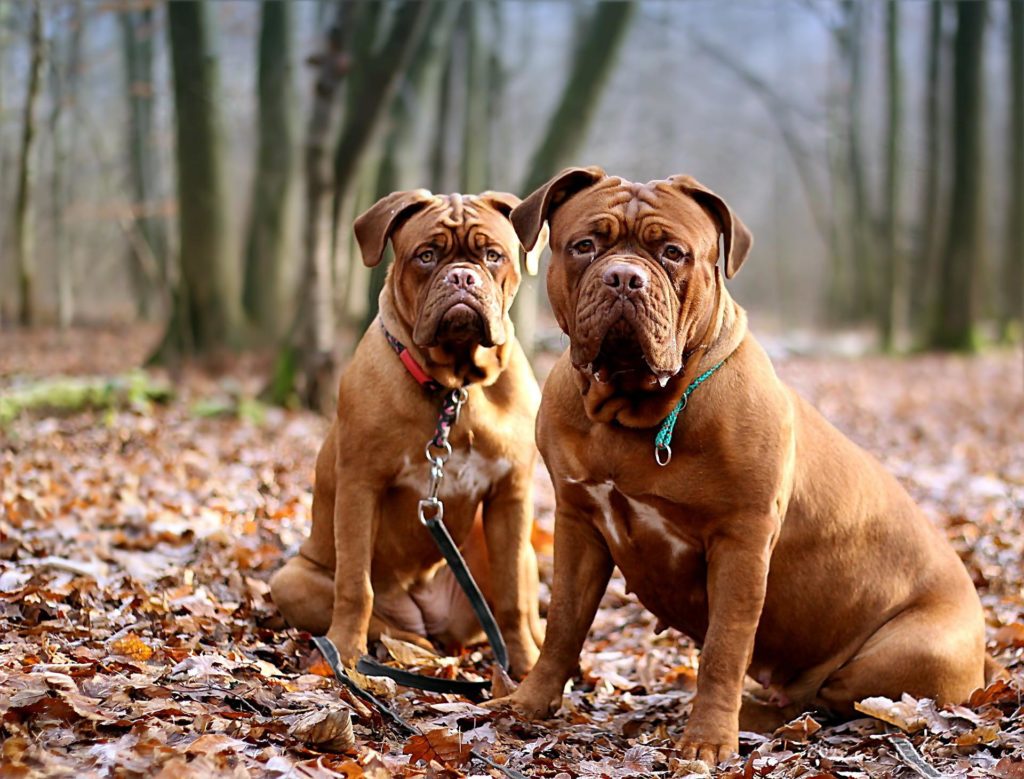
The oldest of French dog breeds, dating back to before France was a country, is the Dogue de Bordeaux. This Mastiff originally was bred in two sizes as war dogs and as fighting dogs. The smaller of these disappears in the early 1800s and the larger becomes a cattle herder. Today’s Dogue was almost unknown outside of France until the Tom Hanks movie “Turner & Hooch” was released in 1989.
The Dogue de Bordeaux is between 23-27 inches tall and weighs 99 pounds and up. Males start at 110 pounds and up. A Dogue’s life expectancy is between 5-8 years. These very devoted and loving canines can be dominating and require proper training from puppyhood so they don’t take the upper hand as seen in the movie.
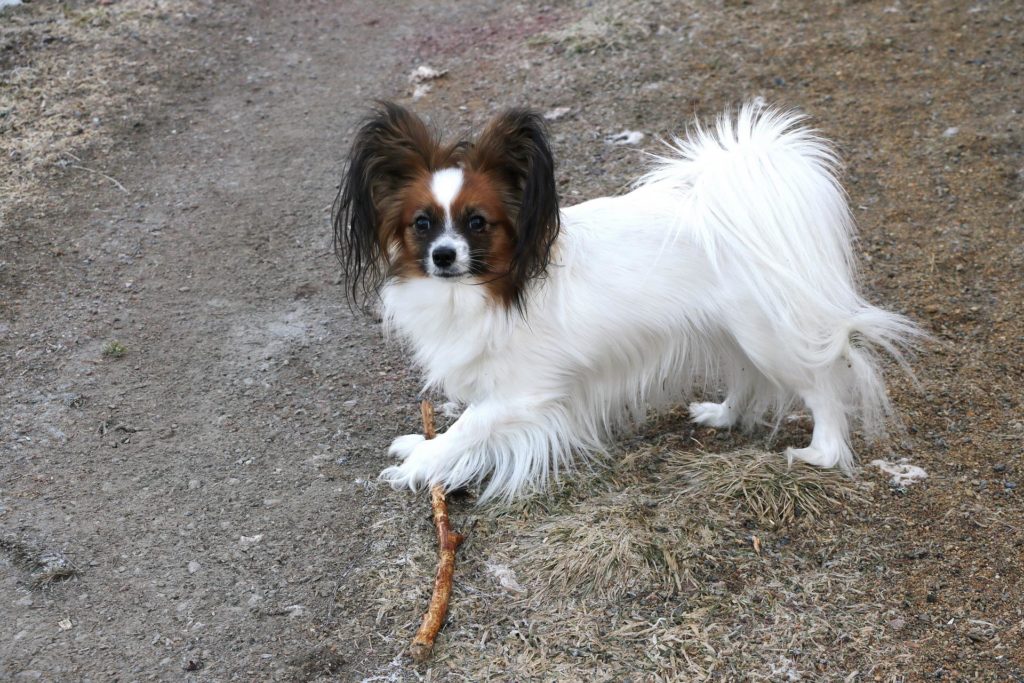
Papillon, meaning “butterfly” in French, is in reference to the breed’s wing-like ears. Paps were initially bred as companions for noblewomen and men and can be found in many portraits of royalty by great artists like Rembrandt and Goya. They were a favorite of Marie Antoinette and Louis XIV. The first Papillon was registered by the AKC in 1915.
The Papillon is between 8-11 inches tall and weighs only 5-10 pounds. Papillons are spaniels by nature and will chase after anything that moves, even insects are fair game. They are a little dog with a big dog attitude and sometimes don’t realize they aren’t so big. They may chase after something they can’t handle, like a cat.
We’ve only scratched the surface of French dog breeds. There are over 50 breeds tied to France in total. They each have the jobs they were bred to do and are from very different regions of the country. There are city dogs and farm dogs, high mountain dogs and water dogs. The one thing all these dogs have in common is they are French.
The weather is warm and warm weather brings outdoor water fun in the sun. It’s great to include your pooch in the summer activities and many people enjoy swimming and boating with the dog. It is important to remember some basic safety tips so everyone has a good time.
The summer months can be days packed with pleasant weather, perfect for a day on the boat. There are many potential dangers for your pooch in a day on the water, however. Knowing before you go and having a plan is always the best course of action. Be prepared and your boating outing will be fun for all.
Safety Tips for Boating with the Dog
Comfort in the Water – First things first, let’s learn to swim before we boat. Your dog should be comfortable in the water before he rides the waves. Should he ever get thrown from the boat, he will be dealing with enough just being in open water. Don’t make the terror two-fold if he is afraid of the water as well.
Comfort on the Boat – Give your dog a chance to get his “sea legs” when boating with the dog. Start them out slow. Give them time on the boat when it’s docked first. Then, with the leash on to prevent bolting, start the motor and get started slowly. Take it easy for a bit to test out the dog’s reaction.
When the dog is ready for more action, they will let you know. With no windows on a boat, it’s all wind in the face all the time. A dog’s favorite in the car. An at ease dog will settle down and find a good spot to enjoy the ride.
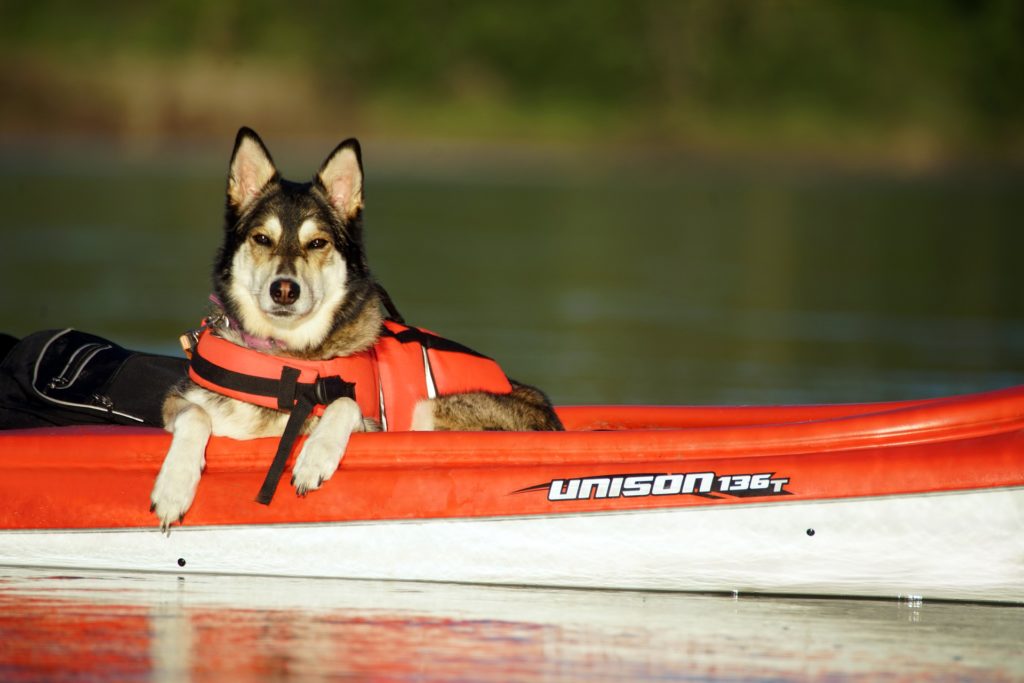
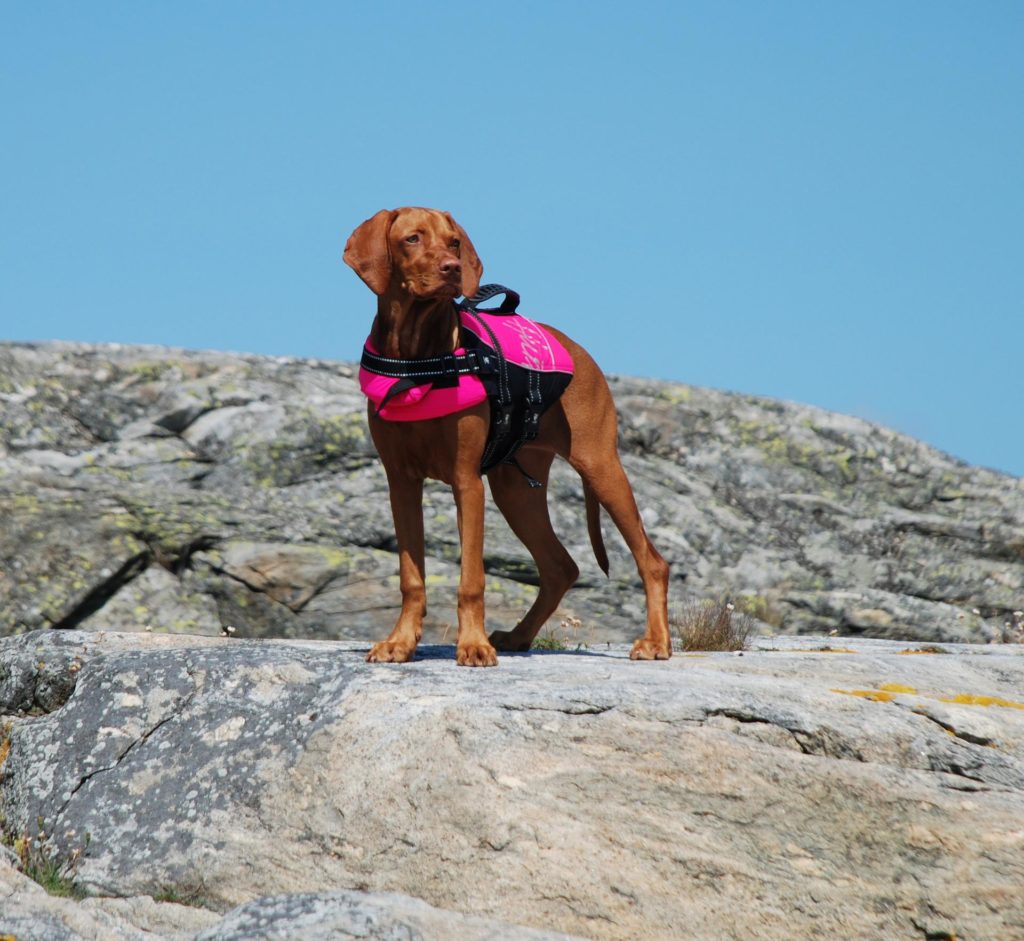
Dog Life Vests are key – Each dog on board should have a doggie life jacket that fits well and preferably has handles on the back for easy removal from the water. Life vests are a must when boating with the dog. Even good swimmers can tire or need a bit of assistance from time to time.
There are vests in all sizes and colors. We recommend a brightly colored vest with reflective trim that is correct for your dog’s weight and stature.
“Dog Overboard” – Have a plan should the dog go overboard. As with anyone, circle the boat around and cut the motor once the boat is close to the dog. DO NOT jump in after your dog. Just like a human, your dog can panic and pull you down. Call the dog to the boat and then lift them out of the water and into the boat.
Water & Shade – Fresh water and access to shade throughout the day are critical. Keep water available in a no-spill bowl. It is important to avoid heat stroke and dehydration. Learn the symptoms of each and protect your dog against them.
Sunscreen – Your dog needs sun protection too. There are sunscreens with SPF made especially for dogs that protects their nose and any other exposed skin that may burn. Be sure to apply generously and often. Watch they aren’t licking it from their noses.
Insect Repellent – The dog is susceptible to biting pests also. Keep some pet friendly insect repellent available for buggy days and nights.
First Aid Kit – You don’t need a special first aid kit for the dog. Keep some items specific for the dog in your regular first aid kit. In this way everyone is covered from the same kit and it saves on space.
Leash – Just like on a road trip, boating with the dog will require potty breaks too. A leash on hand makes these short excursions off the boat safe and secure. You don’t want the dog wandering away or running off on the far side of a lake or shore.
When your dog shows an affinity for the water, use these tips to keep your dog safe and your trip fun. Boating with the dog should be an enjoyable and relaxing time for everyone involved. Although rare, water tragedies and sun mishaps do occur and prevention is worth the time and effort in all instances.
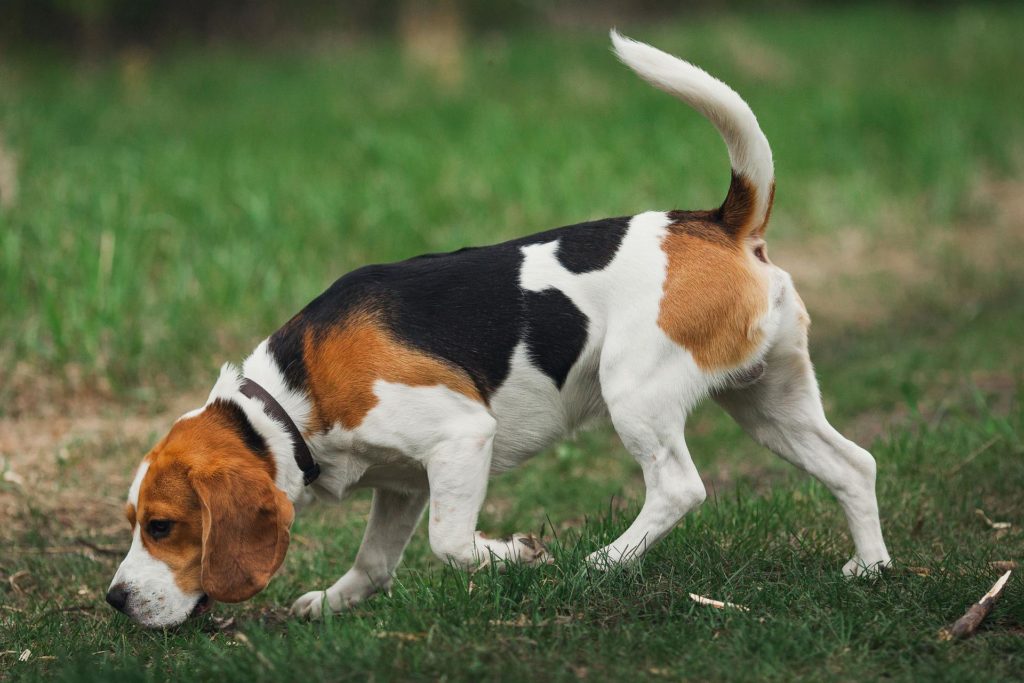
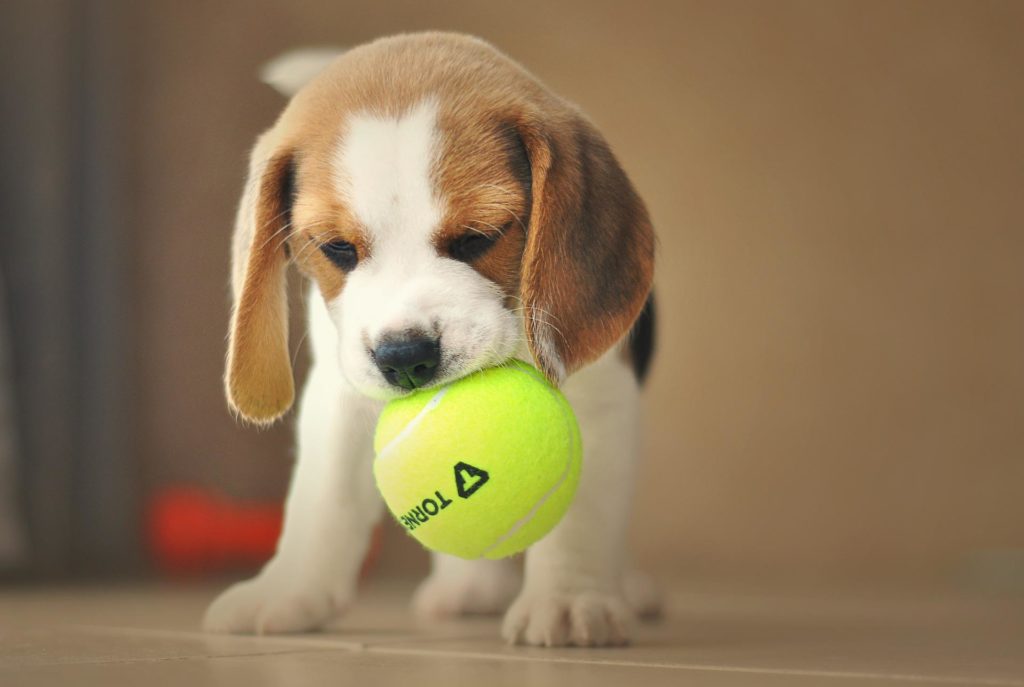
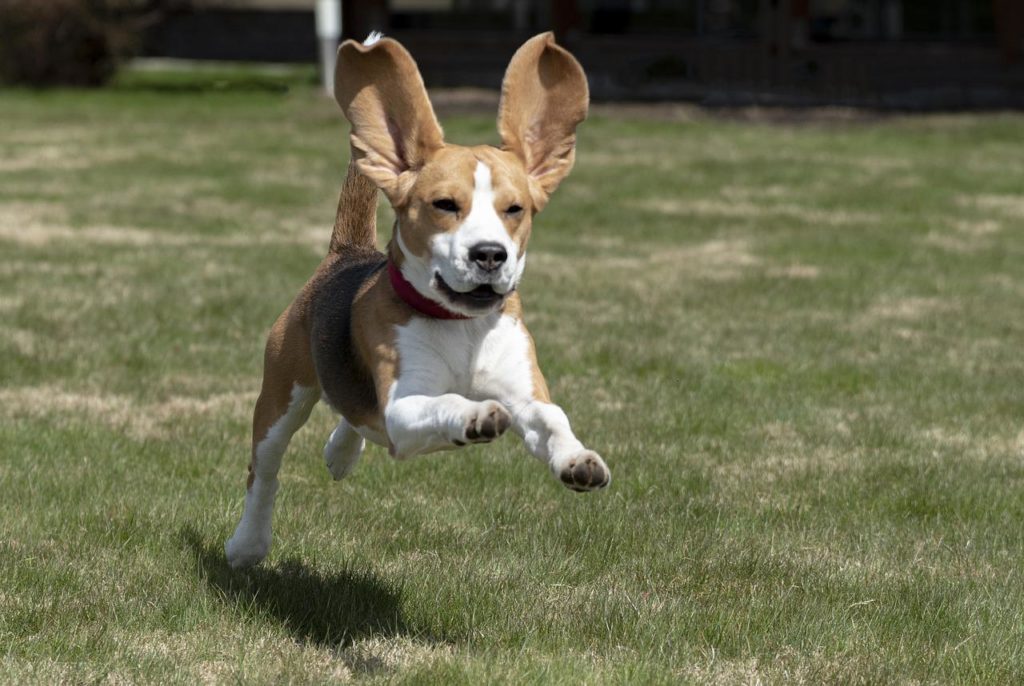
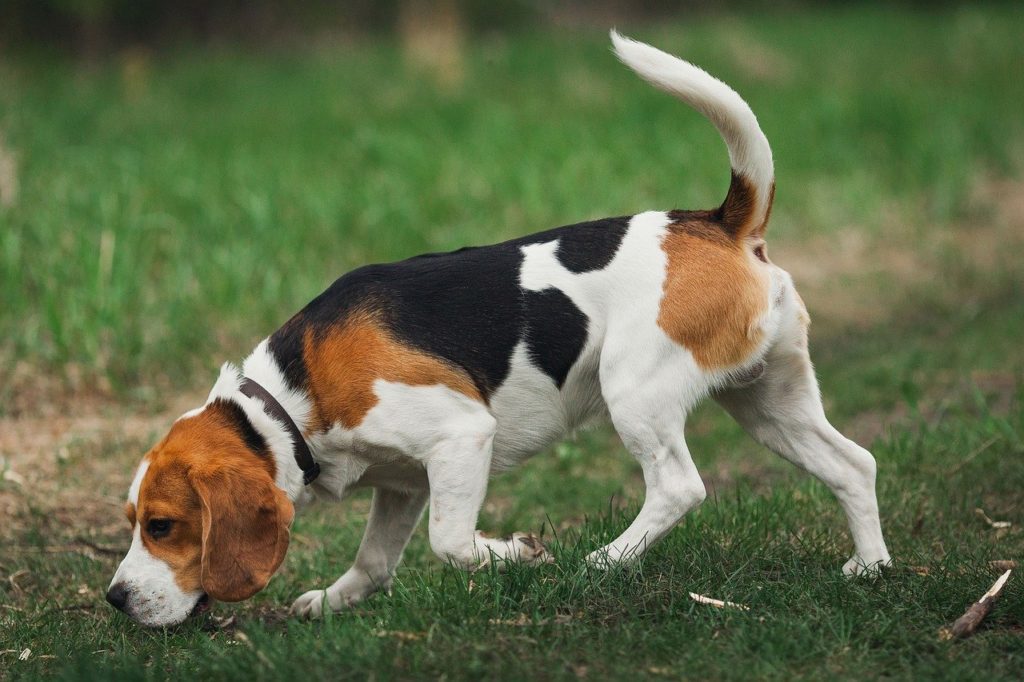
The Beagle is a scent hound completely ruled by his nose. They are born and bred to hunt small game like rabbits and hares in packs. When in pursuit, they will follow a scent wherever it leads with no thought to busy roads or distance.
Due to a beagle’s love of chasing down a smell, they require a fenced in yard. Beagles are escape artists, so the fence should be at least five feet tall and extend underground to prevent tunneling. They are diggers as they were bred to dig rabbits from warrens and will escape under the fence if given the chance.
They should always be on a leash when on a walk to prevent chasing off after a scent. They love to go on long walks allowing them to sniff to their heart’s content. They do require additional exercise like playtime in the backyard to stay mentally and physically fit. An hour of playtime or other exercise is recommended daily, preferably with a friend.
Beagles were bred to hunt in packs and prefer companionship, both canine and human. They generally enjoy company and do not like to be alone. It is good to have another dog in the house or plan to have them as a constant companion. They can suffer from separation anxiety if left all alone.
They make great family dogs. They are friendly and happy. The Beagle breed does well with small children and other animals. However, small animals may invoke their strong prey drive. While they are affectionate family dogs, they will take off after a scent without warning or thought. For this reason, some don’t think them loyal.
Beagle Stats
There are two size varieties of the Beagle recognized by the American Kennel Club, or AKC. The smaller of the two is 13 inches and under and weighs under 20 pounds. The larger of the two weighs 20-30 pounds and stands 13-15 inches tall at the shoulder.
Beagles have a smooth short double coat which requires minimal grooming. Although they are considered low maintenance, they do shed in the spring and require extra brushing during that time. Regularly, just a weekly brushing with a grooming mitt and an occasional bath, when needed, will do. Of course, keep up with routine nail trimming as well.
Beagles possess a large personality for their size. They are sturdy, muscular dogs. They appear to be a smaller version of the Harrier, measuring 19-21 inches at the shoulder, or the English Foxhound, measuring 21-25 inches. They do not have “doggie odor”, drool, or shed much. They do have a tendency towards baying, as opposed to, barking. This behavior should be corrected at an early age to keep the neighbors happy.
Early socialization and puppy training is crucial for this breed. They are strongly food motivated and train best with positive reinforcements, such as treats. Negative techniques do not have favorable results. They can be challenging to train but rewarding positive behaviors will win out in the end.
Their History in America
In the early 1870’s, General Richard Rowett from Illinois began importing Beagles from England to establish a quality bloodline in America. Rowett’s dogs were models for the first American standard Beagle. Beagles were recognized by the American Kennel Club in 1884 and have been the only breed to rank in the top ten since their registry. Today they rank number seven on the AKC’s Most Popular Dog Breeds of 2021 list.
This breed had long been used at airports to sniff out weapons, drugs, and illegal food. Their diminutive size and friendliness towards strangers are less likely to make passengers nervous. This type of work was first introduced at Los Angeles International Airport in 1984. The US Department of Agriculture used Beagles to sniff out contraband food items. This has expanded and now Beagles are used in more than 20 international airports across the United States.
Although a scent hound bred for hunting rabbits, the Beagle has proven itself a wonderful family companion and admirable working dog. Either size variety of the breed will require a medium size Plexidor Dog Door. Should you have any questions on our doors please contact Customer Service or call 888-PET-DOOR.
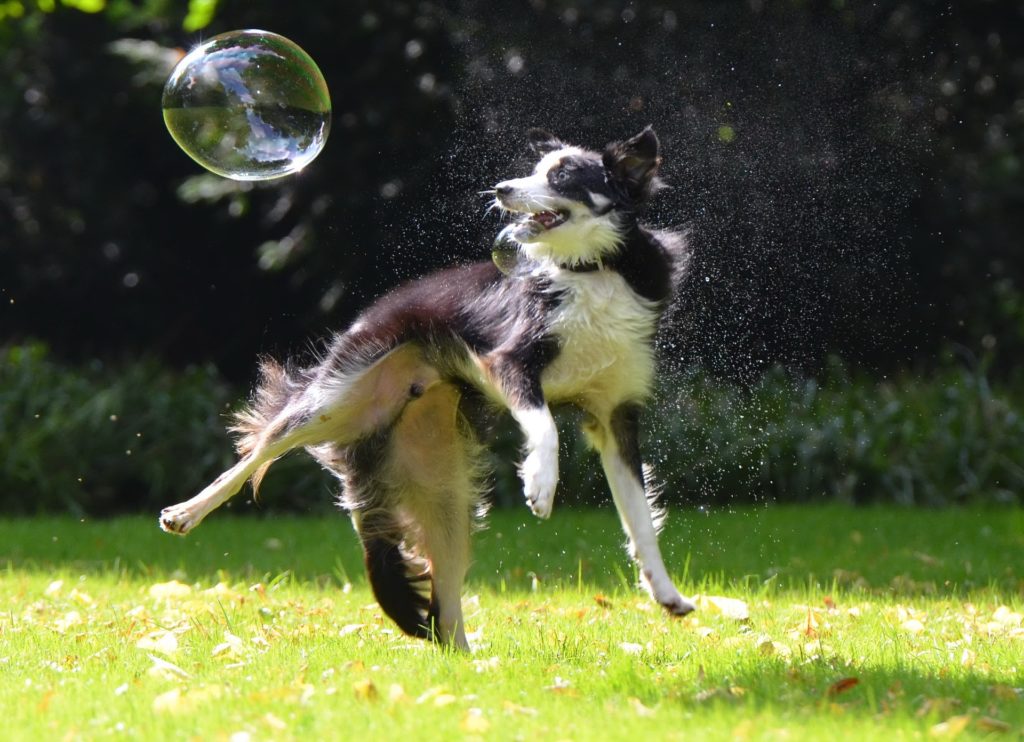
Borders have a long history amongst shepherds and sheepdogs. They originally developed from crossing a stocky Roman herding dog and a Viking spitz-type herder. Today’s Border Collie comes to us from the land of Britain, where both cultures once ruled for a time. Border Collies are thought by many to be the world’s greatest herding dogs, as they are keenly aware and intelligent. When herding, they read each situation and know what action is required; crouching low, setting off at a sprint, making wide sweeping turns, or stalking stealthily.
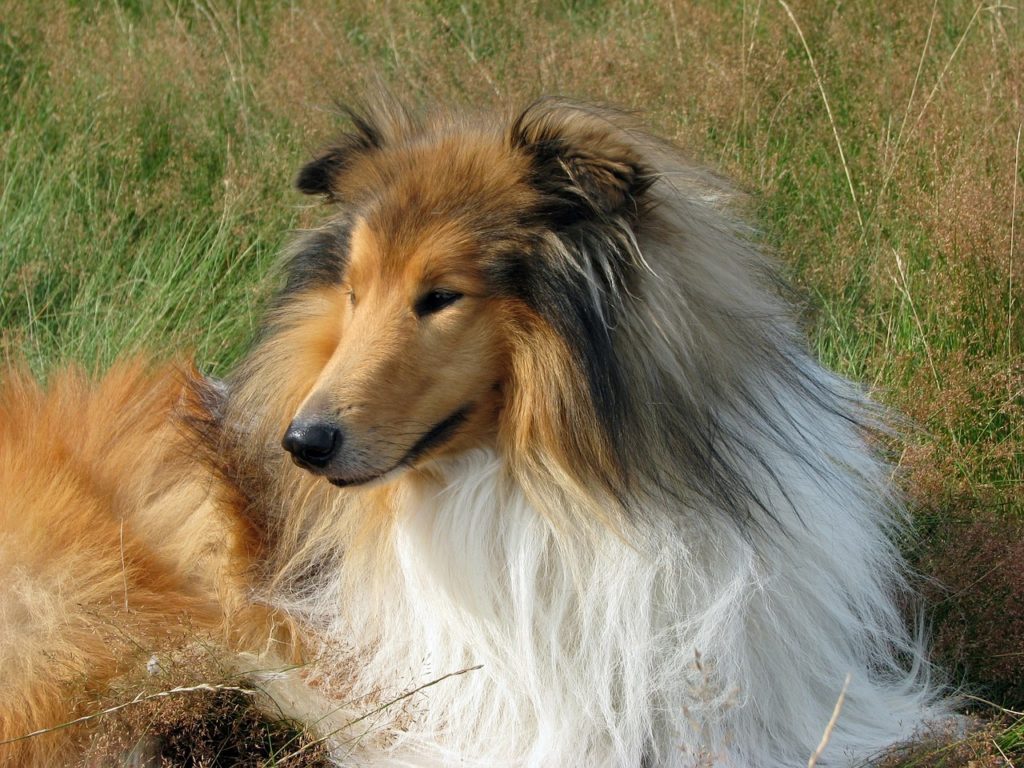
Rough Collies are one of the more well-known breeds of shepherds and sheepdogs as Lassie made them famous in the 1950s. There is also a smooth variety with a short, sleek coat. Collies are excellent with kids and make wonderful family dogs. They are devoted and loyal to their families. The Collie is originally from England where Queen Victoria popularized the breed in the late 1800s.
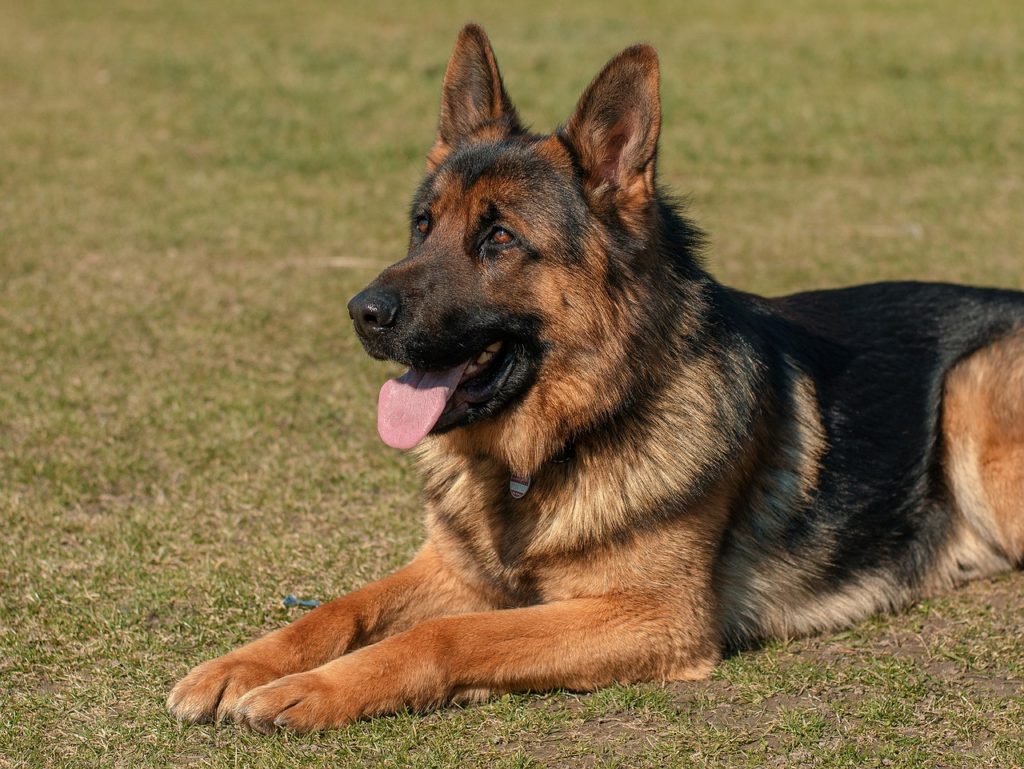
German Shepherd Dogs are ranked fourth on the Most Popular Dogs Breeds of 2021 list by the American Kennel Club, or AKC. They were the first breed of shepherds and sheepdogs to be trained as guide dogs for the blind. This breed was developed by a German cavalry officer in the late 1800s looking for the perfect German herder. He was completely devoted to promoting and refining the breed. They are highly trainable and loyal and often used as police and military dogs, service dogs, search and rescue, and drug detection dogs.
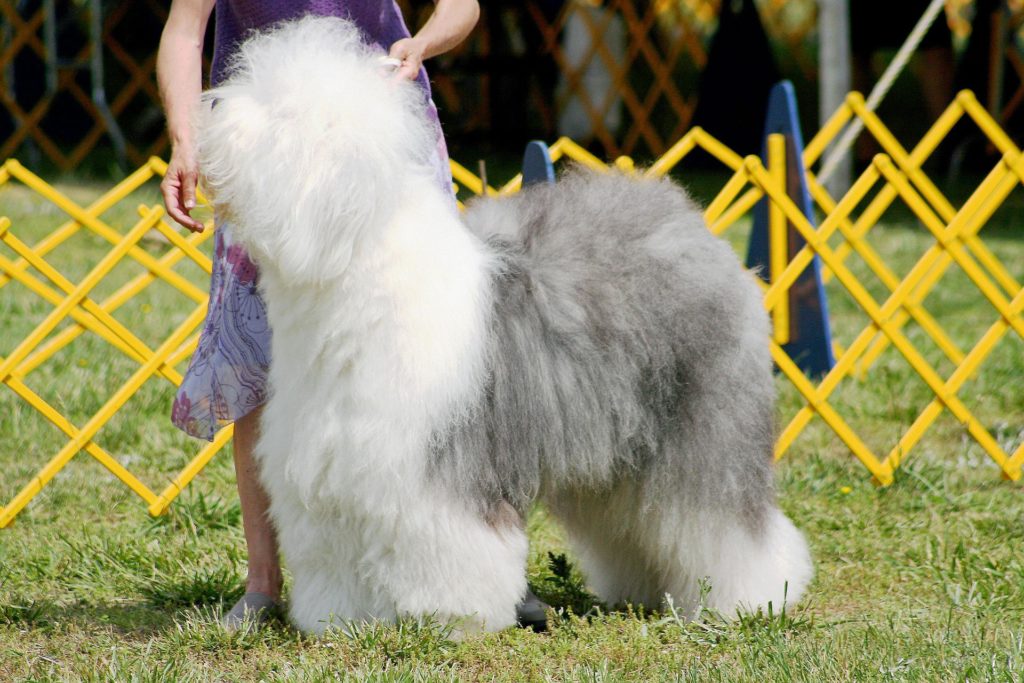
The Old English Sheepdog is seemingly ill named as it is a relatively young breed first surfacing in the early 1800s as a drover, or dog used in herding cattle, not sheep. These are the quintessential shaggy dogs. In fact, they are the star of the 1959 Disney film The Shaggy Dog. (The 2006 remake used a Bearded Collie.) They appear to be all fur but there is a strong, muscular frame underneath. They are affectionate with family and small children and make watchful guard dogs.
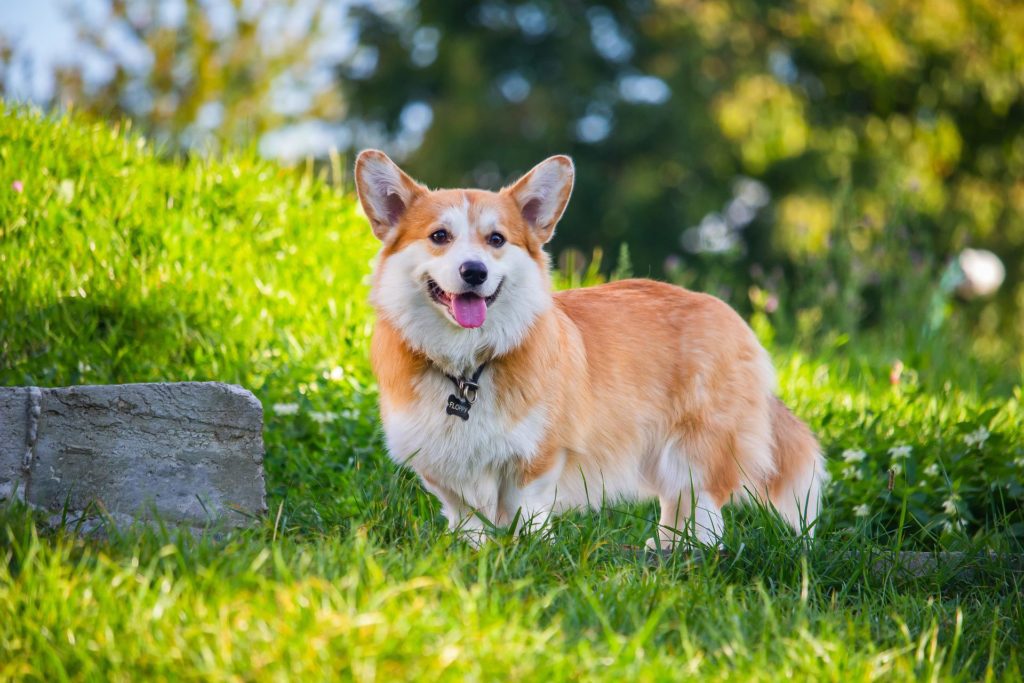
Well known as Queen Elizabeth II’s chosen favorite breed, the Pembroke Welsh Corgi is among the smallest of the Herding Dogs. The Pembroke is a great family dog but should be observed around small children. They are a big dog on short, squatty legs and have a big dog bark to go with their stature. Corgis shed a little every day and need to be brushed daily. Pleasant little dogs they are affectionate without being too needy and love to play.
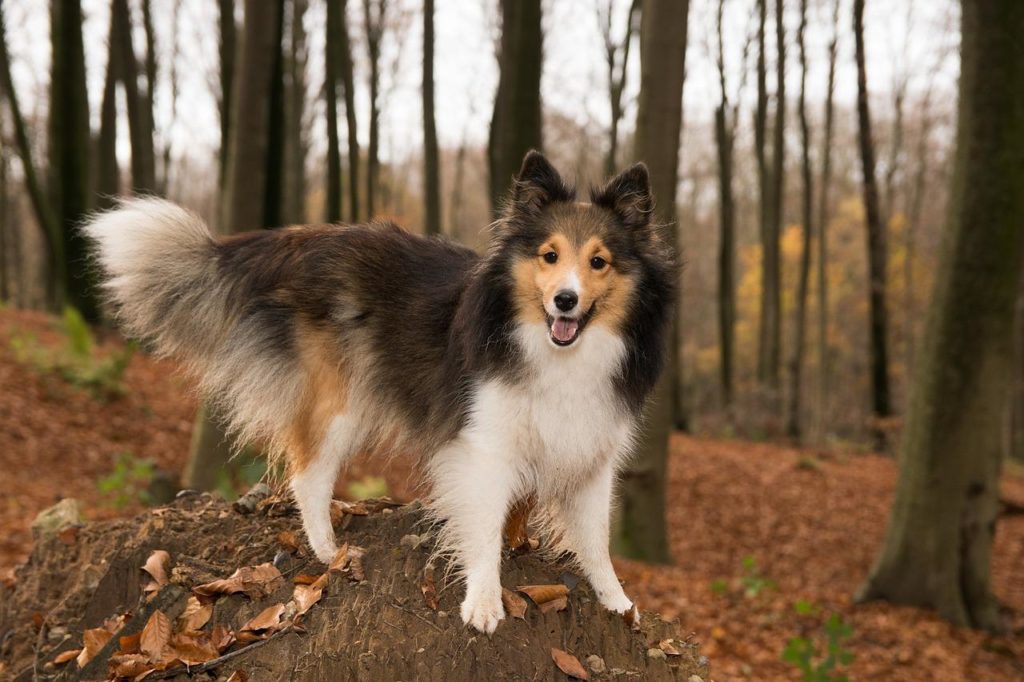
Shelties hail from Scotland’s remote Shetland Islands. The Shetland Sheepdog is the Rough Collie’s little cousin, bred smaller as food could be scarce on the island and it took less to feed a smaller dog. Due to the inaccessibility of the northern Shetland Islands, Shelties were virtually unknown until the early 1900s. The AKC first recognized the Sheltie in 1911. This breed is an amazing family dog, affectionate and good with small children and other animals in the house.
These shepherds and sheepdogs come in all shapes and sizes and will require different sizes of dog doors. Fortunately, the PlexiDor Dog Door is available in sizes small, medium, large, and extra-large.
Shepherds and Sheepdogs Breeds Needing a Large PlexiDor Dog Door
Australian Cattle Dog
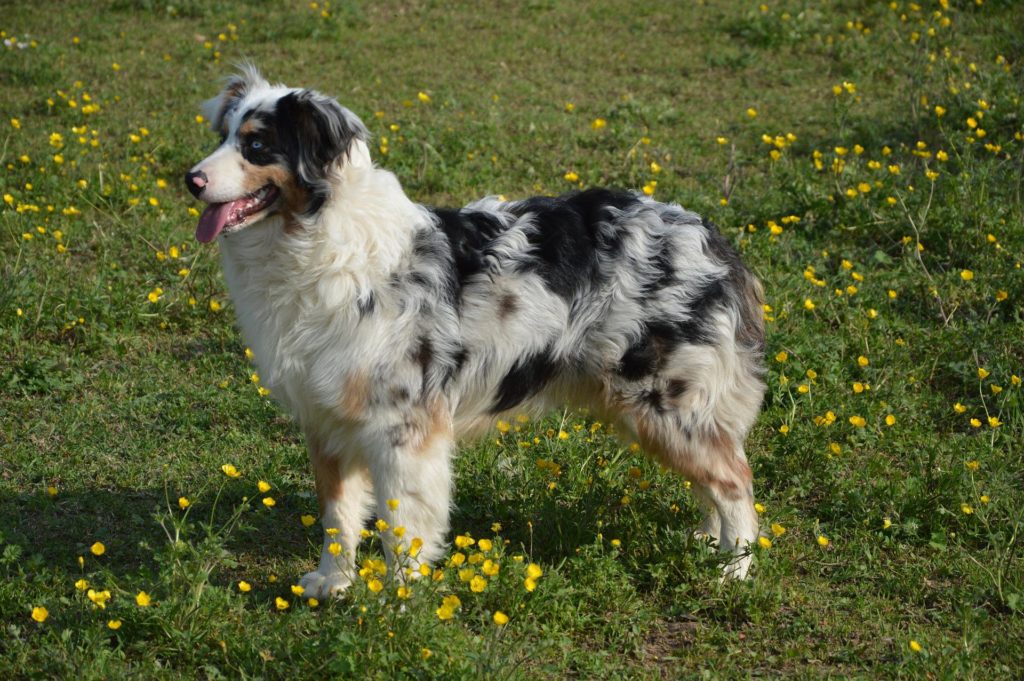
Australian Shepherd
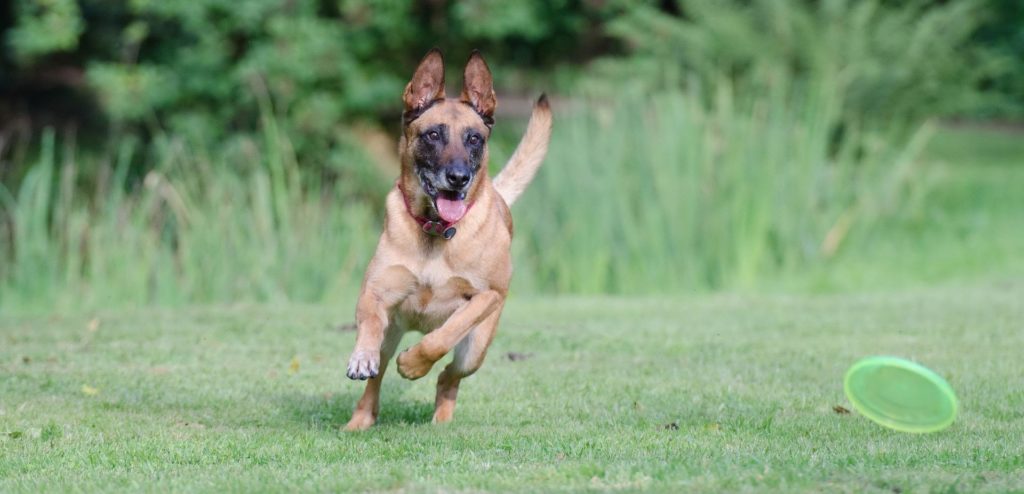
Belgian Malinois
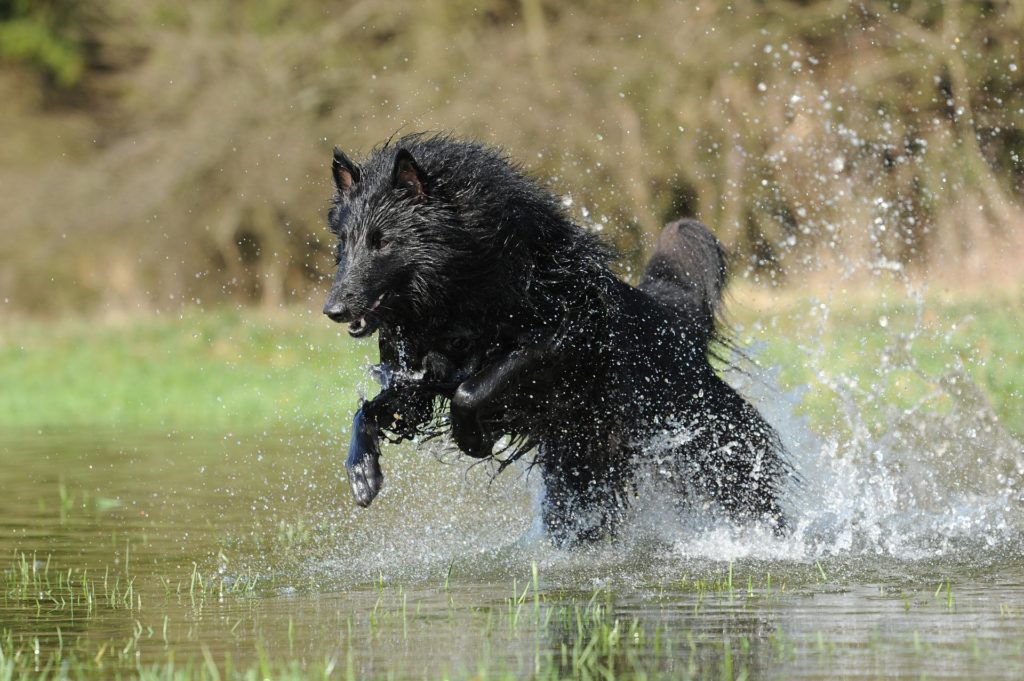
Belgian Sheepdog
Bergamasco Sheepdog
Border Collie
Collie (Rough or Smooth)
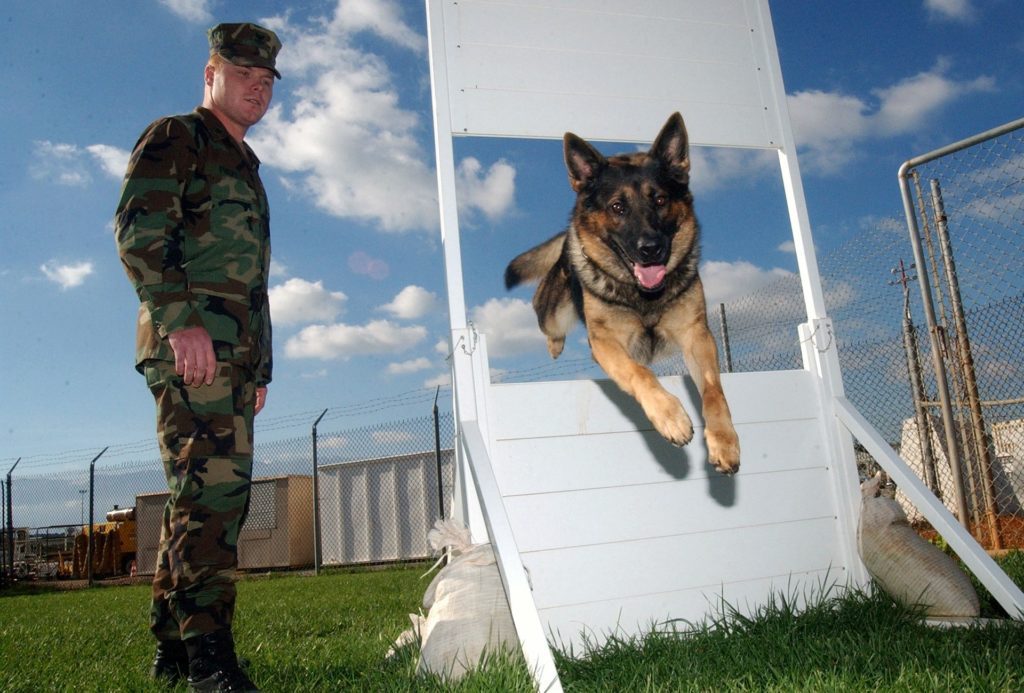
German Shepherd
Old English Sheepdog (possibly an extra-large dog door)
Shepherds and Sheepdogs Breeds Needing a Medium PlexiDor Dog Door
Almost every region is known for one or more shepherd dogs and sheepdogs that were bred to herd livestock such as cattle, sheep and goats. These are the herding dogs. They come in all shapes and sizes and a range of fur options and colors. They have many characteristics in common but are quite diverse as well.
These dogs were once classified in the Working Dog group by the American Kennel Club, but in 1983 a new classification was created for dogs with herding instincts. These dogs have now been split out into their own group, the Herding group.
Key traits of this group are their never-ending energy, high intelligence level, sense of loyalty, and keen observation skills. If you own one of these dogs prepare to stay busy keeping them physically and mentally stimulated. They do well at canine sports like agility training and herding competitions. Training is easy for most of these dogs as they are eager to please and compliant.
There are 30 herding dog breeds recognized by the AKC. Many are quite well known, and some are not. This article will focus on twelve distinct herding breeds of dog. Some are similar to another breed on the list, cousins almost.
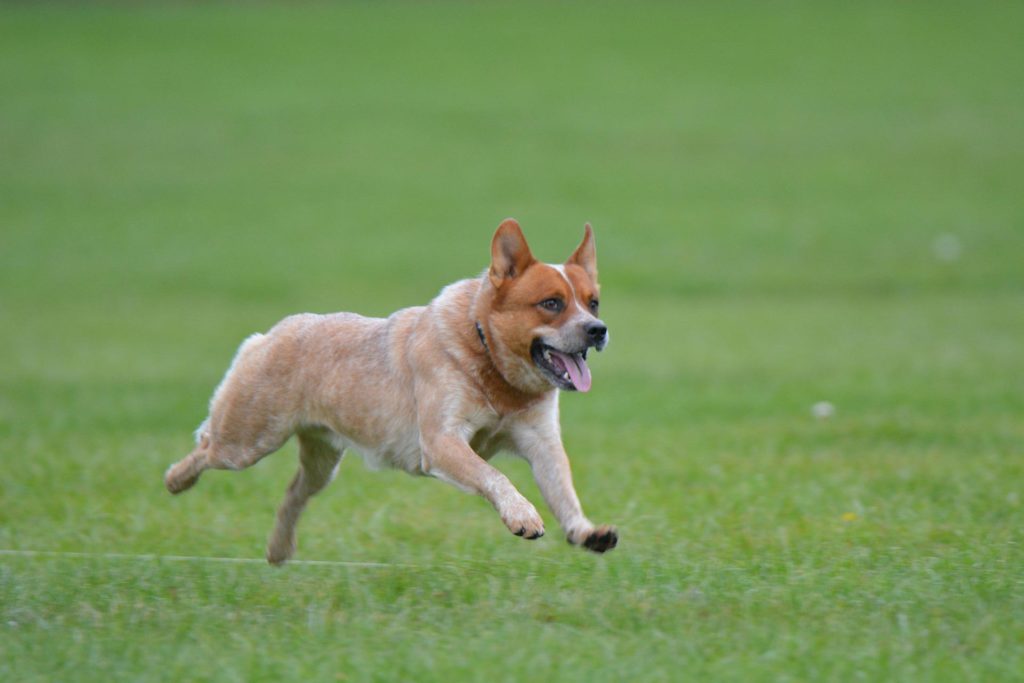
Also known as a Blue Heeler, this breed is named well. This is a dog from Australia bred to herd cattle in the rough, rugged terrain of the outback. ACDs are distant relatives of the wild Dingo and were integral to Australia’s beef industry and early economy.
Australian Cattle Dogs are Herding Dogs bred to herd cattle in the Australian outback
These dogs were bred in Australia and California and are known for being the perfect companions for cowboys, not only on the ranch bit in rodeos too. Due to their high intelligence and ability to train they have also been used as therapy dogs and for search-and-rescue. Although good with young children, their herding instincts are strong and they may try to “herd” the children with nips at their heels. This behavior can be dissuaded with proper training at a young age.
Pronounced ma-luhn-waa, this is a people-oriented dog with a high work-drive. They not only enjoy spending time with their people but thrive on it. They are known for holding their heads proudly with their black ears and black mask. They are closely related to the Belgian Sheepdog but have a short smooth coat of fur. The Belgian Malinois is often mistaken for the German Shepherd Dog.
This shepherd is dedicated, loyal, and serious. Like the Belgian Malinois, the Belgian Sheepdog or Shepherd also craves human attention. They love hard work and are highly trainable. The Belgian Shepherd is often used for police and military work. Their medium length double coat should be groomed every two weeks or so.
From the Italian Alps, Bergamascos make great family dogs. They get along well with children and other animals alike. They are known for their unique dread-lock hairdo created from three different types of fur. Their coat protects them from the cold and attacks from predators. They are known to be loving, trainable, and independent. You will love them for their wool which does require a bit of special care.
That was Part One of our article on Herding Dogs. Come back next week for Part Two…
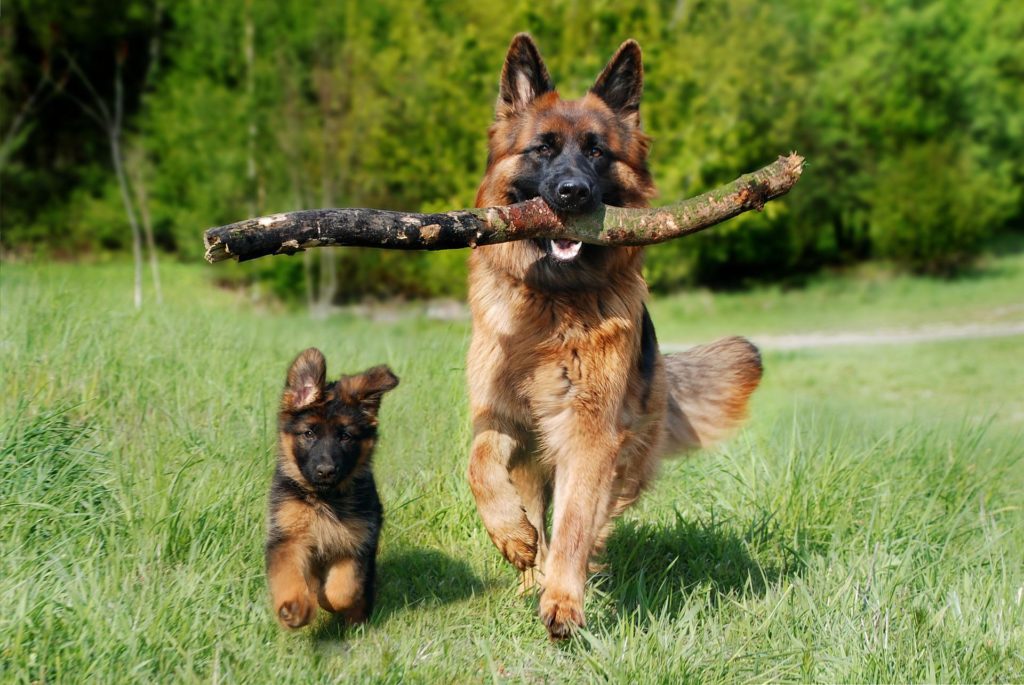
The German Shepherd Dog, also known as an Alsatian in the United Kingdom and some parts of Europe, is amazingly versatile. They are a wonderful family dog and companion but are equally well suited for service work and herding. They are the best in a dog, a gentle family pet and faithful guardian.
They are a purposeful and practical worker. Weighty, lithe, and athletic, they are also highly intelligent. This makes them perfect for guide and assistance work, drug detection, police and military service, and search and rescue operations. German Shepherds are able to learn commands for many tasks which are required for these professions.
History of the German Shepherd Dog
A German cavalry officer, in the late 1800s, Captain Max von Stephanitz, set out to breed the optimal herding dog. With like-minded breeders across Germany, they developed the ancestor of the German Shepherd Dog today. Von Stephanitz founded the first club devoted to German Shepherds and spent 35 years promoting the breed.
Accepted into the American Kennel Club in 1908, GSDs (German Shepherd Dogs) became popular in the United States due to movies like Rin-Tin-Tin and Strongheart, but lost popularity during the World Wars. The “German” was dropped from the name and they were known as the shepherd dog. Today, German Shepherds are ranked number four on the American Kennels Club’s Most Popular Dog List of 2021.
German Shepherd Characteristics
The German Shepherd Dog stands 22-26 inches tall at the shoulder depending on sex and weighs between 75-95 pounds. They are known to have a life expectancy of 7-10 years. Although a protective, devoted family dog and very good with children, they are not good with other animals they were not raised with and should be watched around other pets.
German Shepherds have a coarse medium length double coat that sheds a lot. These are not hypo-allergenic dogs. The most well-known color combo for this shepherd is black and brown. However, other acceptable colorings include tricolor, black and tan, black and cream, black and red, black and silver, solid black, gray, and sable.
This breed’s coat is easy to maintain, requiring only a brushing every couple of days to keep shedding down and an occasional bath. Remember to trim or grind down toenails at least monthly. Also, keep up with regular teeth brushing.
Confident and courageous German Shepherd Dogs are highly trainable and do well in competitive obedience and herding. Start them out in basic obedience as puppies. As an active, athletic dog they need lots of exercise. They require more than a 20-minute walk around the neighborhood. Good outlets for this energy may be agility, tracking, or dock diving.
German Shepherds may not make the best dogs for apartment living. Not only do they have high activity demands which is better served by a yard, but they have a high tendency to bark. However, with the right amount of physical and mental stimulation and training not to bark, anything can be worked out.
When in a home with a fenced in yard, consider giving your German Shepherd Dog the freedom of entering and exiting the house at will with a dog door. You no longer need to let the dog out with the addition of a PlexiDor Dog Door in a door, wall, glass house door or sliding glass door.
The PlexiDor’s saloon-style doors are energy efficient and durable yet open and close with a gentle touch. The doors come in sizes small, medium, large, and extra-large perfect for dogs ranging in size from a Chihuahua to a Saint Bernard. There is a ninety-day money back guarantee and a five or a ten-year warranty on the dog door depending on the model.
For questions about the PlexiDor Dog Door please contact Customer Service or call 888-PET-DOOR.
A scent hounds’ job is to help humans with hunting, either on horseback or on foot. Some are pack hounds who work in a group and others work individually. Scent hounds range in sizes from Dachshunds, standing 5-9 inches at the withers, to Bloodhounds, standing 2 feet at the shoulder.
Unlike Gundogs, hounds don’t retrieve fallen prey. Their hunting is much more independent than a Gundog. They chase the quarry, and the human follows the dog to the prey. Scent hounds follow scent trails when hunting for prey or objects. The chase is a fun game for them.
Beagle Hound on the chase
They are specialists in locating prey. Once they stalk or chase down their prey, they either kill it or hold onto it until their human arrives. Scent Hounds have amazing stamina and can stay on the trail for miles.
Key Personality Traits of Scent Hounds
Highly Focused – When on the “hunt” they will ignore all else until they have acquired their prey, including their owner’s calls. It is very important with hounds to start obedience training young and constantly reinforce recall exercises.
Independent – Scent hounds follow their own instincts rather than obeying commands. Once they are on the hunt, they are focused on that task until completion. Due to this independence, they are fine to be left alone for periods of time. Hounds do not generally suffer from separation anxiety when away from their people.
Mostly quiet – Hounds are relatively quiet breeds. They’re more likely to greet you at the door with kisses than barking. However, some are pack animals and can bay, especially when there are more than one.
Marathon runners – Scent hounds are working dogs that will run for hours after their game and has the endurance to do so. Yet, when not working, they are happy to laze around and enjoy the comforts of home.
Specialist in scent work – Scent hounds have an excellent, over developed sense of smell and love nothing more than an opportunity to use it. Long walks on a long lead in an open space would be a wonderful excursion. Hiding treats or food around the house or yard for your dog to locate is also a good way to keep them mentally stimulated. When hiding treats in the yard be sure your dog has immediate access with a PlexiDor Dog Door.
Appearance – Scent hounds typically have pendulum ears and a short, smooth coat. There are, of course, exceptions to this. For example, there are three varieties of the Dachshund; a smooth coat, wirehaired, and longhaired variety.
6 Breeds of Scent Hounds
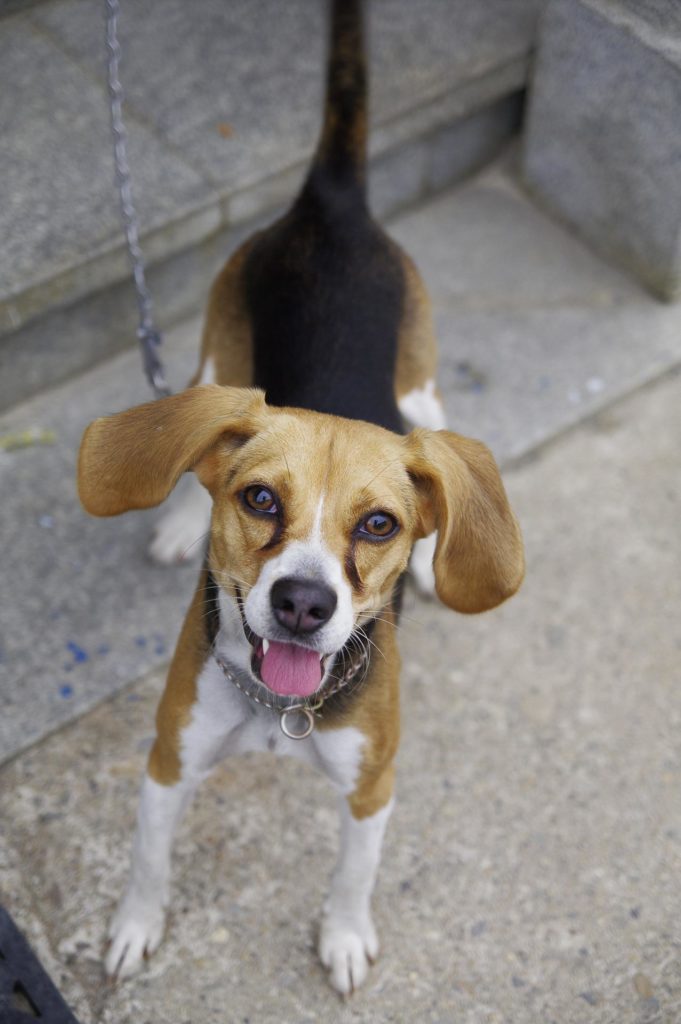
Beagle – Ranked 7th on the American Kennel Club’s Most Popular Dog Breeds List – There are two varieties of Beagles. One stands under 13 inches tall at the shoulder and weighs under 20 pounds. The other variety stands 13-15 inches tall at the shoulder and weighs 20-30 pounds. Both are sturdy and strong for their size. The Beagle is an exceptional hunting dog and devoted companion. Amiable and inquisitive, they make wonderful family dogs and are good with children. Beagles are pack animals and do have a tendency to bay and bark like big dogs.
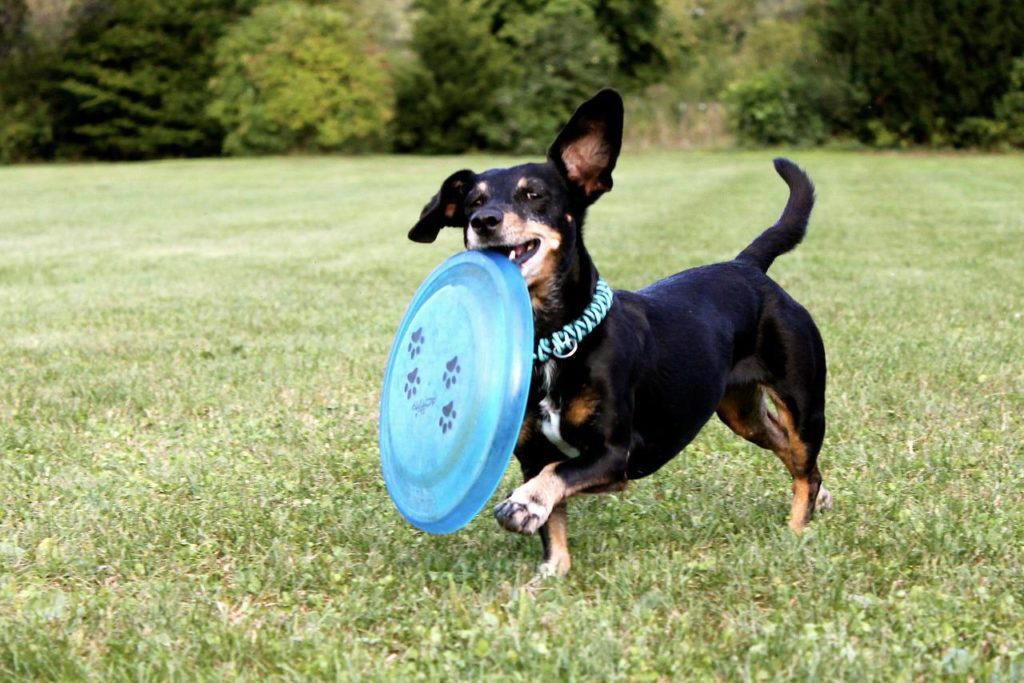
Dachshund – Ranked 10th on the AKC’s Most Popular Dog Breeds List – Doxies are the smallest of the scent hound breeds standing 5-9 inches tall and weighing 16-32 pounds for standard and 11 pounds and under for Miniature Dachshunds. Dachshunds come in the two sizes, standard and miniature, and three coat types – smooth, wirehaired, and longhaired. Originally bred in Germany to hunt badgers, these little dogs are brave and a bit stubborn. They are affectionate with their family, but not a good fit for small children. They are not built for running, jumping, or lengthy swimming but are wonderful diggers. They are custom built to flush badgers from their holes.
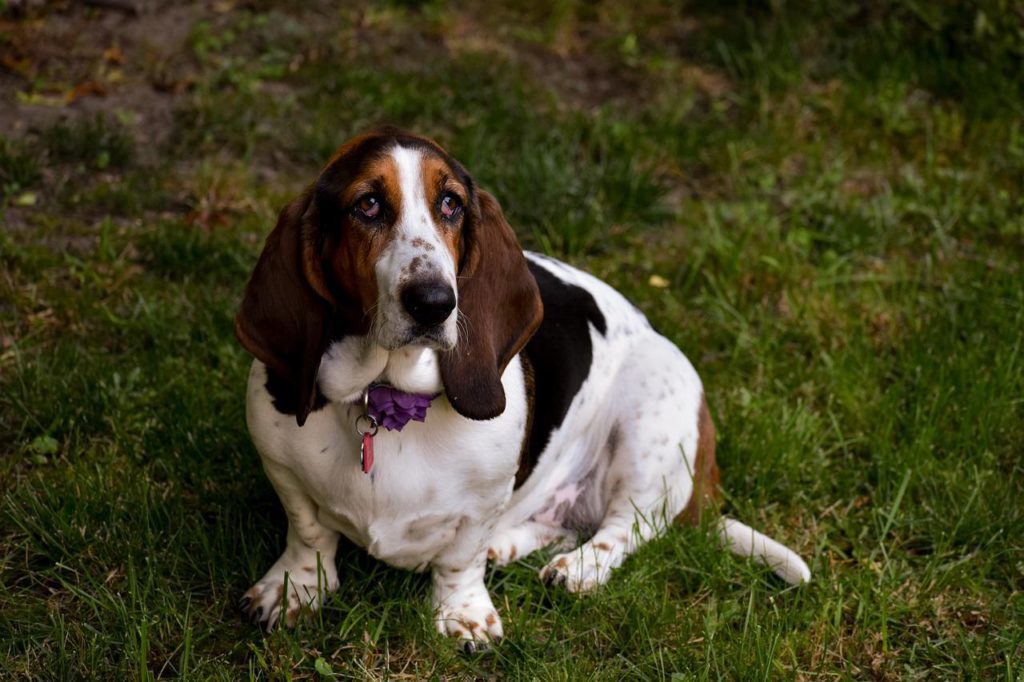
Basset Hound – Ranked 34th on the AKC’s Most Popular Dog Breeds List – Basset Hounds stand up to 15 inches tall at the withers and weigh 40-65 pounds. The Basset looks like a big dog on short legs with extremely long ears. Tolerant and low-key they are good around other dogs and children. Although truly a couch potato, the Basset still needs adequate time for exercise. This breed is second only to the Bloodhound in its tracking ability. They are not an overly affectionate breed but are very loyal to their people.
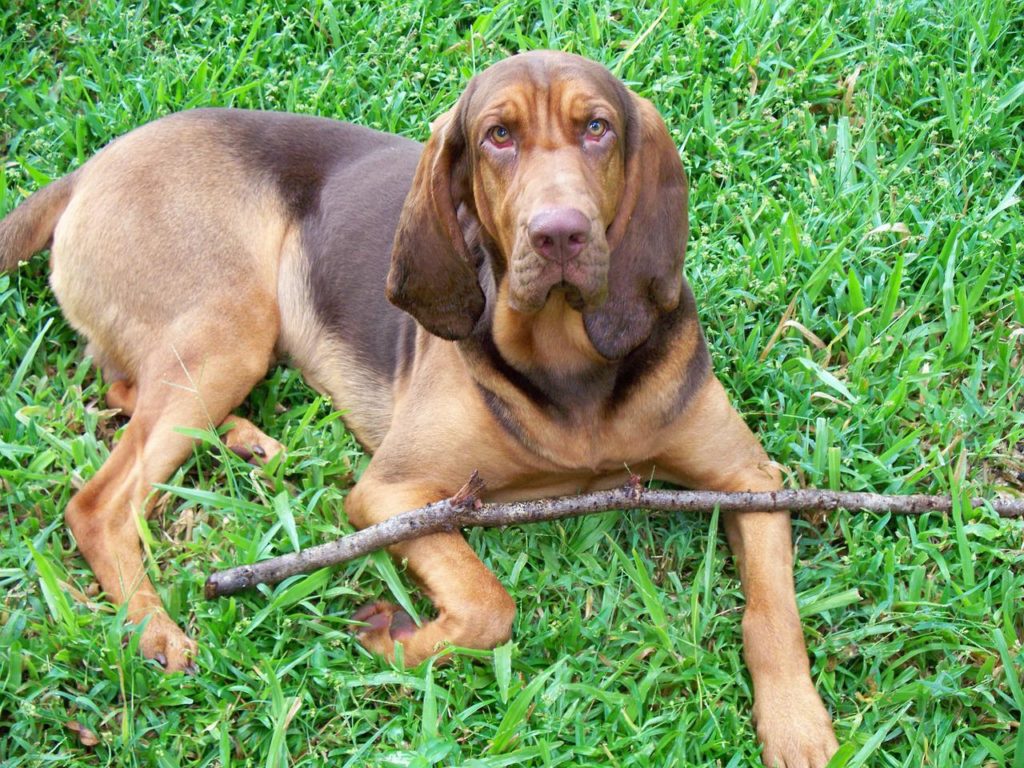
Bloodhound – Ranked 50th on the AKC’s Most Popular Dog Breeds List – Bloodhounds are known for their tracking abilities and make excellent search and rescue animals. No other dogs’ nose is more accurate than the Bloodhounds. They are the largest of the six breeds, standing 23-27 inches at the shoulder and weighing 80-110 pounds depending on sex. They are distinguished by their droopy ears and wrinkled, droopy face. Bloodhounds tend to drool quite a bit.
Petits Basset Griffon Vendeen – Ranked 161st on the AKC’s Most Popular Dog Breeds List – Petits Basset Griffon Vendeen loosely translates to small, low, and shaggy, and from the Vendee region of France. This perfectly describes this dog. The PBGV stands 13-15 inches at the shoulder and weighs 25-40 pounds. They have a course, thick coat that should be brushed weekly. Bred in France to hunt rabbits, these happy, lively scent hounds work in packs and do well as family dogs. They are good with children.
Harrier – Ranked 188th on the AKC’s Most Popular Dog Breeds List – Harriers are sociable and friendly pack hounds. They come from medieval England and were bred to chase rabbits. Good with children and other dogs, they make a great family dog. Harriers stand 19-21 inches at the shoulder and weigh 45-60 pounds. Well-muscled, they were bred to spend hours chasing prey so they will require a lot of exercise to keep boredom and destructive tendencies at bay.
Training a scent hound can be a challenge. They have a mind of their own and their greatest motivation is tracking something down, not just food or the other regular rewards. Some hounds do train well and basic obedience as a puppy is always a must. Try working on “nose-work” which can be very rewarding for both dog and owner. Your dog will need an opportunity to use their gifts – a place to use their noses. Providing this opportunity for them cuts down on headaches for you in the long run.
Providing access to an outdoor area where your scent hound can release energy is important for these breeds. A PlexiDor Dog Door will allow your hound to come and go as they please to sniff the yard as often as they like without interrupting you. Our doors come in sizes perfect for the Miniature Dachshund all the way up to the Bloodhound. Contact our Customer Service Department or call 888-PET-DOOR today with questions!
The Boxer dog breed is named for the characteristic boxing motion they make with their front paws while in a confrontation. They almost look like they’re boxing their opponent. For their ancestors, the opponent was big-game or another dog in a sparring match. Today’s Boxer prefers to spend time with their family.
This highly intelligent, confident breed is patient and protective. As such, they are great around children and often used as working dogs. The American Kennel Club has this breed categorized in the Working Group. The United Kennel Club has the Boxer dog breed listed in the Guardian Dog Group. Boxers are working guardians.
Brindle Boxer
The male Boxer is larger than the female standing 23-25 inches at the shoulder and weighing between 65-80 pounds. The female stands 22-24 inches tall at the shoulder and weighs between 50-65 pounds. This breed is good-looking and athletic with rippling muscles. They have an extremely short coat of fur, smooth and shiny, and close lying to the skin.
The Boxer dog breed has a shortened, or brachycephalic, muzzle, a wrinkled forehead, droopy eyes, naturally floppy ears and an underbite. They naturally have long whip-like tails. The breed standard is to dock their ears and tails when they are young. When docked, both the ears and tail stand erect. This loyal, affectionate breed has dark brown eyes and Boxers are either fawn or brindle in color with white markings.
History of the Boxer Dog Breed
The Boxer dog breed was developed in Germany. Boxers were bred from the Old English Bulldog and the now extinct big-game hunting dog, the Bullenbeisser or German Bulldog. They are courageous and have a strong work ethic.
The Boxer was recognized by the AKC in 1904. However, the breed wasn’t popularized until the 1950s. In 1951, a Boxer named Bang Away won the Westminster Kennel Club Dog Show and became a national celebrity. Since then, Boxers have been one of the 15 most popular breeds. They are currently at number 14 on the American Kennel Club’s Most Popular Dog Breeds List.
Boxers make wonderful service dogs. They were one of the first breeds to be chosen for police training in Germany. They served as war dogs in both World Wars. In addition to their police and military work, they also work as therapy dogs, herding dogs, watchdogs, protection dogs, and guide dogs for the blind. Their work for the police includes drug detection and search-and-rescue.
The Boxer at Home
While good working dogs, they really enjoy spending time with their family. They are a people dog and do not like to be left alone. They almost suffer from separation anxiety. In training, expose them to lots of people and situations during early puppyhood. Early training and socialization of this active dog is a must. The Boxer is highly intelligent and easily trained but tends to get bored with repetition. Training must be engaging and positive. Boxers are good candidates for obedience, agility, and herding activities.
The super energetic Boxer requires over forty minutes of exercise a day to stay physically fit and mentally stimulated. Without this they can become restless and destructive. Convenient access to a fenced in yard is beneficial, but they can adjust to apartment living if enough exercise time is provided.
Boxers do not have a tolerance for extreme heat or cold. They are especially susceptible to the heat and overheat easily. These dogs were meant to be always kept inside as a member of the family and are not conditioned to live outdoors.
While they are known to be a gassy breed who drool a lot; they do not bark much and do not require much grooming. A rub down once or twice a week with a grooming mitt and an occasional bath is all that is required. Don’t forget to trim your dogs’ nails and brush their teeth on a regular basis.
Graceful and powerful, sometimes silly, the Boxer dog breed is a loving, devoted companion that will always want to be by your side. To help them get the exercise they need, install a PlexiDor Dog Door and give them instant access to romp in the backyard. Our doors come in two styles, standard and electronic. We have sizes for dogs up to 220 pounds. The easy-to-open saloon style doors are perfect for small dogs and extra-large dogs alike.
In this ever-changing world of marijuana legality, it is important to know the harmful effects and symptoms of marijuana poisoning in dogs. Dogs are very susceptible to marijuana, more so than humans. They have a more severe reaction to the psychoactive substance in marijuana, Tetrahydrocannabinol (THC), as they have more cannabinoid receptors in their brains.
As the increase in marijuana legality has spread across the U.S.A., so has the rise in calls to Animal Poison Control. Marijuana is now legal in 18 states, Washington D.C., and Guam. Care should be taken to protect dogs from marijuana toxicosis. This will be exhibited by several symptoms.
Symptoms of Marijuana Poisoning in Dogs
Stumbling over their feet
Lethargic and sluggish
Urinary incontinence
Dilated pupils
Vomiting
Distraught
Tremors/shaking
Marijuana toxicity occurs when the plant is ingested, either through smoke inhalation or eating cannabis directly, either the plant or edibles. Edibles are particularly dangerous because they are designed as junk food and candy. They are very tempting for dogs who like human food and only a small amount can have a high dose of THC.
The dosage of THC an animal receives is important when discussing marijuana poisoning in dogs. Poisoning by ingestion of edibles is much more potent and dangerous than second-hand inhalation. Due to this range of poisoning, there is also a range in treatments used. Some will require IV fluids and a stay at the vet’s office, while some dogs will be fine as outpatients at home.
While marijuana poisoning in dogs is serious, it is rarely fatal and most make a full recovery in one to two days. However, do not neglect seeking veterinary care for marijuana ingestion, edibles especially. Edibles often contain artificial sweeteners which are additionally toxic for dogs increasing the toxicity concerns. Any ingestion event should be discussed with a vet as you cannot be sure of the dosage or the exact effect it will have on your dog.
There are alternatives to dog parks for those that just aren’t comfortable with the idea of an overcrowded space with a lot of dogs, all in one place, off-leash, together. It may be too much to expect all the dogs at the dog park to be well-trained with model behavior, they are dogs after all. One dog may not smell quite right to another dog and the next thing you know there’s growling and snapping, then yowling and whimpering. The dog park may not be safe or comfortable for your dog.
Safe Alternatives to Dog Parks
Take your dog for a hike or long walk – In many communities there are nature trails and preserves near by residential areas for easy access to beautiful places to go for a walk or hike. When that is not available, a long walk around your neighborhood may be a good option for an outing.
Hiking along a wooded path is one of the safe alternatives to dog parks.
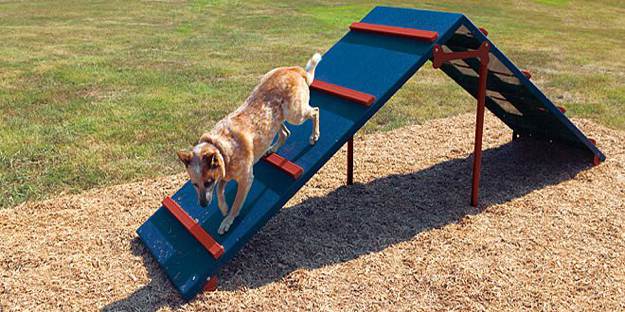
Set up an agility course – There are agility course kits that can be purchased for a quick set up or you can put together your own. An A-frame to run over and sturdy boxes to step from one to the next are good to start with. You can build up from there. When teaching agility, it is best to start with the basics. After basic obedience, your dog must learn to focus on you, even in distracting situations. Then you can move on to teaching tricks with the use of targeting. It’s best for you and your dog to learn the basics before expecting him to jump hurdles and fly over A-frames.
Dog going over A-frame in agility course
Take your dog to the lake or beach – Whether your dog likes to swim, retrieve sticks from the water, or just play by the shore, a fun day of water play may be a great way to get out some energy. Of course, this is a great option if you’re lucky enough to live close to a lake or seashore.
Playing at the beach
There’s an app for that – Thank the pandemic for this new option. You are now able to rent someone’s yard out for your pooch to play in through an app called Sniffspot. Think of it like AirBNB for backyards.
This doggy is relaxing in someone else’s backyard. He rented it.
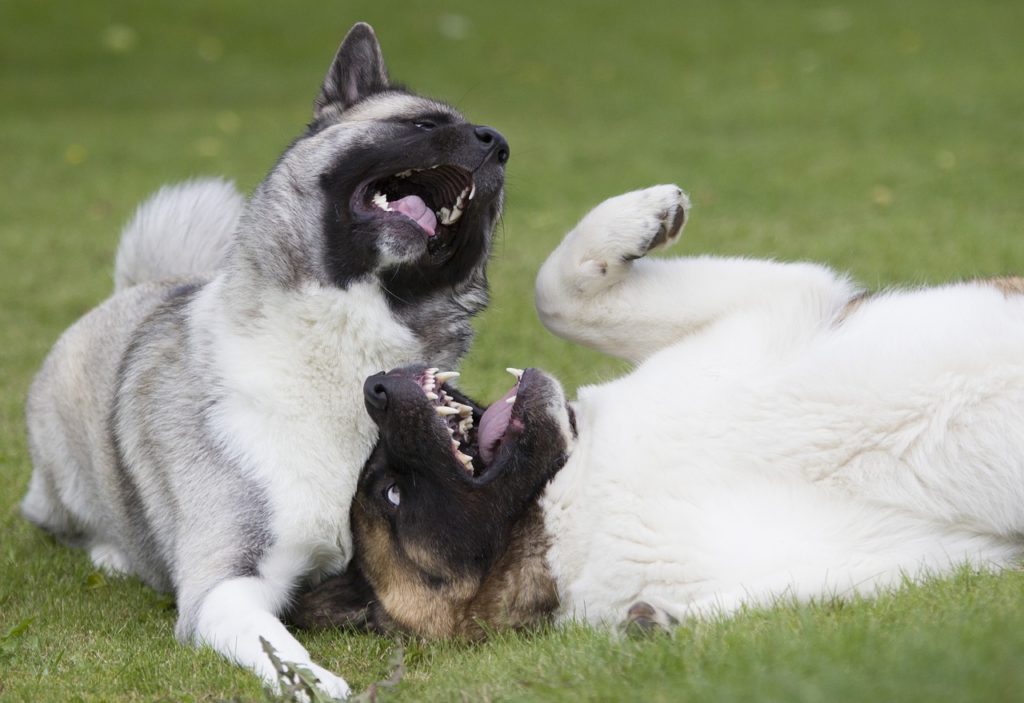
Set up a playdate – Reach out to friends and neighbors to see if anyone else’s pooch needs a buddy for a bit. A little social time with other dogs who know each other well in a one-on-one setting, or maybe even a small group, can be fun and relaxing.
Dogs playing and wrestling in the grass
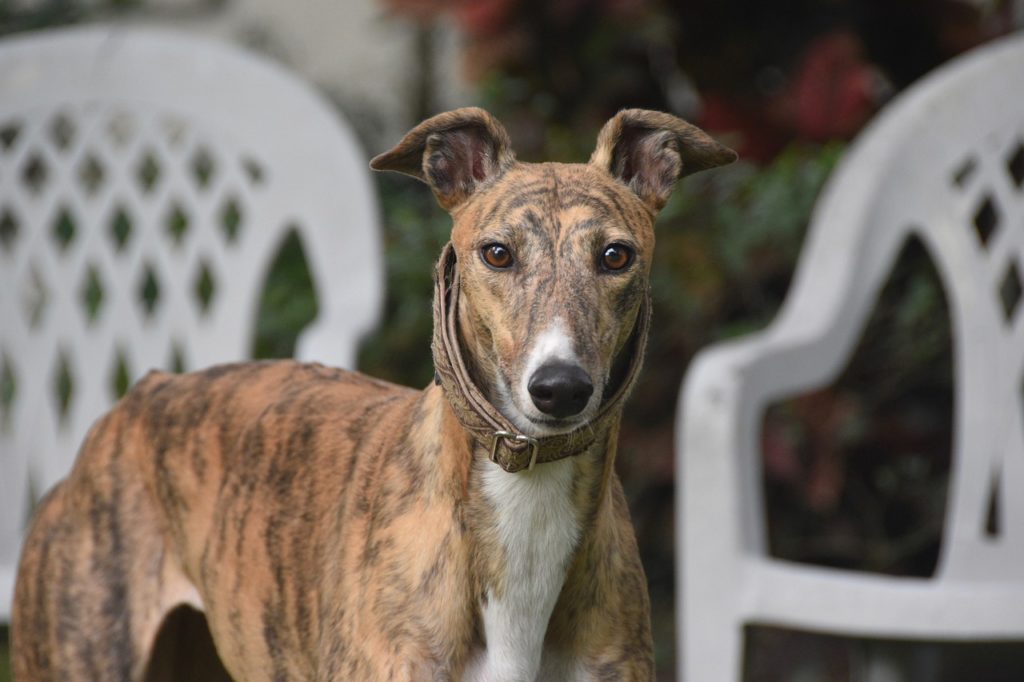
Pet friendly retail stores or restaurants – Much more than the pet store is pet friendly these days. Many stores and restaurants encourage you to bring your dog with you. A website that lists and rates these establishments is BringFido.com.
Greyhound at a restaurant
There are alternatives to dog parks and we don’t need to settle for a stroll in the park anymore. The options above can provide physical, mental, and social stimulation for your dog. When dog parks don’t work for you, consider giving these options a try.
When at home, the easiest way to allow your dog access to the backyard and convenient stimulation is a PlexiDor Dog Door. PlexiDor has both a standard and electronic model and they come in white and bronze. They are available in a range of sizes to fit dogs up to 220 pounds and have saloon-style doors for maximum energy efficiency and durability. Contact out Client Care Department with questions today!
The Cavalier King Charles Spaniel was a “spaniel to the kings” being popular with both royalty and nobility alike in the 16th, 17th, and 18th centuries. These are toy spaniels giving them characteristics of both an affectionate companion dog and the instincts of a prey driven hunter. Easy to train and eager to please they are a good choice for first time dog owners. Their dark round eyes and adorable expression will melt the heart at first glance.
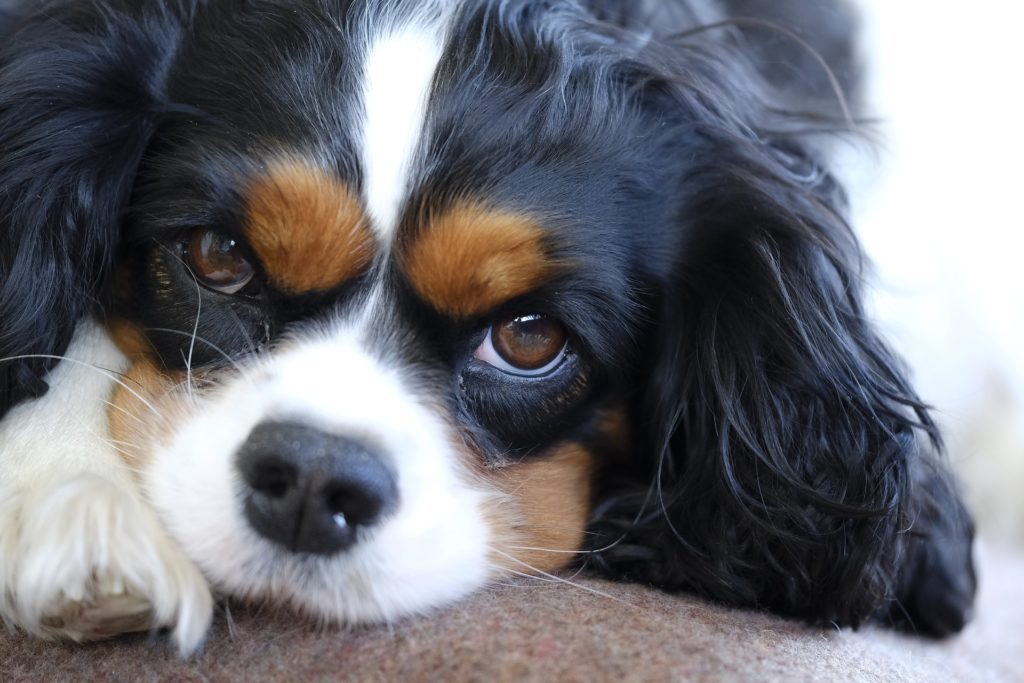
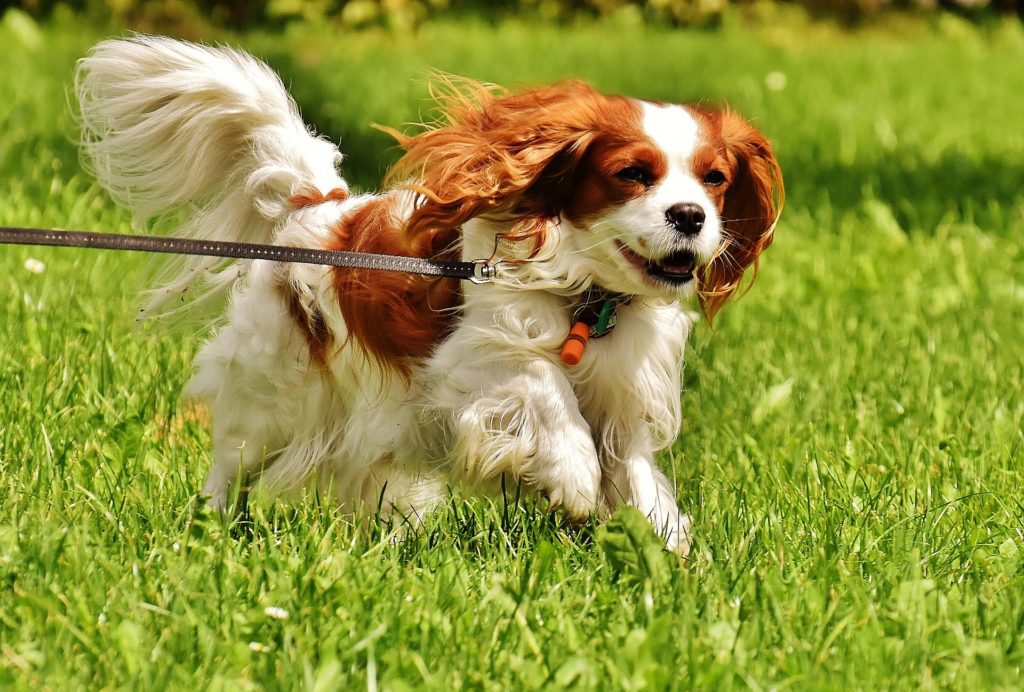
Tri-Color Cavalier King Charles Spaniel
The Cavalier is one of the largest dogs in the Toy Breed Group of the American Kennel Club. They stand 12-13 inches tall at the shoulder and weigh 13-18 pounds. In years 2021 and 2023, they ranked number fifteen on the American Kennel Club’s Most Popular Dog Breed List and were the most popular spaniel breed. These gentle, cheerful dogs make wonderful therapy dogs.
History of the Cavalier King Charles Spaniel
This breed dates back to the 16th century and Mary, Queen of Scots. The dog was popular with European nobility during the Renaissance and Mary’s son and grandson Charles I and Charles II of England kept these dogs as well. After the death of Charles II, popularity for these toy spaniels waned and the favored dog of the Tudors, the pug, gained favor. The toy spaniel became almost extinct except at Blenheim Palace where the Duke of Marlborough continued to breed a red and white coloration. However, there was no standard for the type and size of spaniels bred.
In 1920, Roswell Eldridge, an American, began looking for a spaniel that resembled the dogs in the old pictures of royalty. In 1928, a dog was found matching the description and a breed club was formed. The name Cavalier King Charles Spaniel was given to set it apart from the current King Charles Spaniel now known in America as the English Toy Spaniel. The breed was officially recognized by the American Kennel Club in March 1995 making it the AKC’s 140th breed.
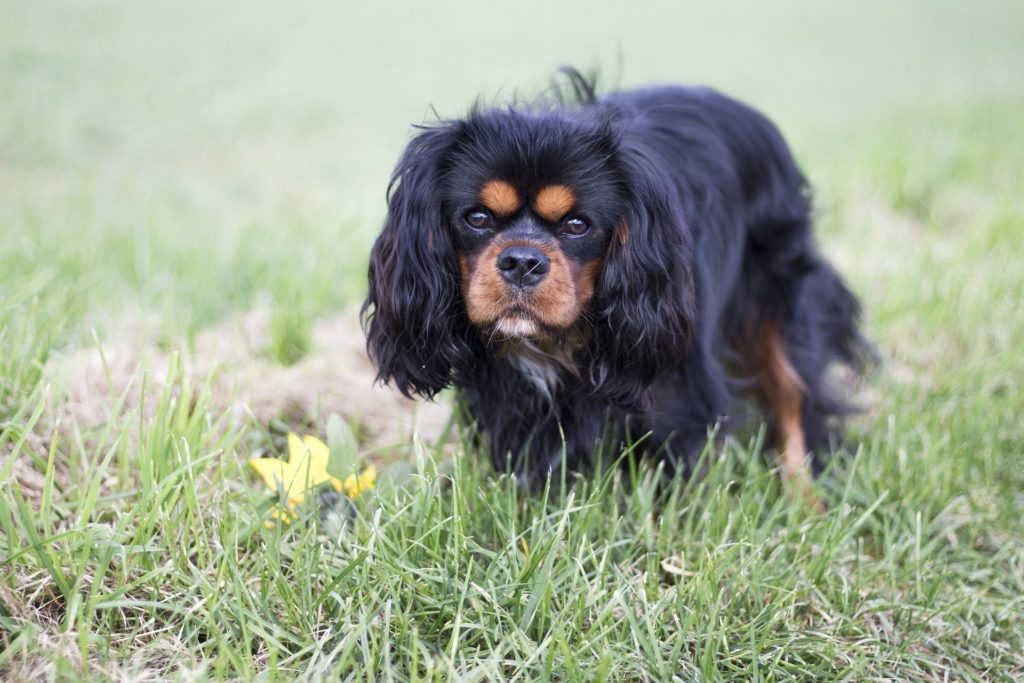
Black and Tan Cavalier King Charles Spaniel
Cavalier Hair Care
The Cavalier is a relatively low maintenance breed. They require regular brushing 3-4 times a week and a bath every one to two weeks. Trim the nails once a month or when they make a clicking sound on the floor. As a droopy-eared dog, their ears need to be cleaned on a regular basis. While overall a low shedding dog, they do shed seasonally in the fall and spring and should be brushed more often during these times to keep matting from occurring.
The Cavalier King Charles Spaniel has a medium length coat that is silky to the touch and may be slightly wavy. There is feathering on the ears, chest, legs, feet, and tail. Some owners choose to keep their feet groomed and trimmed down to keep them tidy.
The graceful Cavaliers come in four colors. The most common is the Blenheim, named for the Duke of Marlborough, who kept the breed alive. The Blenheim is chestnut on a white background. The Tricolor exhibits black markings on a white body with tan tips over the eyes, on the cheeks and underside of tail. The Black and Tan coloration is black all over with tan markings and the Ruby is a solid reddish brown.
Exercise Needs
Don’t let that petite frame fool you, the playful Cavalier is athletic and does great at dog sports like flyball, agility, obedience, and rally. Some Cavaliers have even been known to hunt. Although they do well at these types of activities, they are also content with a short walk or even just a romp in the yard. The Cavalier will match their owner’s activity level. Cavaliers can do dog sports or lounge on the couch all day, either works great for them. They don’t do well in heat or cold though. They prefer a moderate temperature.
Blenheim Colored Cavalier King Charles Spaniel
Cavalier Temperament
The Cavalier King Charles Spaniel possesses a very even temper. Although they may bark when the doorbell rings, they are quite friendly with strangers. It is said their tails are in constant motion. They are affectionate with children, get along well with other dogs, and adore their people. So much so they do not like to be left alone for long periods of time. This breed is best when they can be home with someone. They are extremely dependent.
While Cavs are easy to train with positive reinforcements and food rewards, they are still easily distracted by their prey drive and if not on a leash may go darting into traffic after a squirrel. Irritating, but not as dangerous, once on the hunt for their prey, they won’t return to your frantic calls. Cavaliers are known to chase birds, rabbits, and other small prey.
Strictly indoor pets, Cavaliers may have trouble with housetraining. If this is the case, a PlexiDor Dog Door is the solution. It is important in potty training to make access available when your dog needs it. With a dog door, the bathroom is available on their terms.
PlexiDor Dog Doors are available in standard and electronic models in white and bronze. Our doors come in sizes ranging from Small to Extra-Large to accommodate dogs from a 6-pound Chihuahua to the largest 220 pound Mastiff. Contact our Customer Service Department with any questions or call 888-PET-DOOR.


 Search